
If you wanted to change America twenty-five years from now, where would you start?
Most people would probably point to Congress, the White House, the Supreme Court, or the media. That’s understandable because those are the institutions that dominate the headlines. They’re loud, public, and constantly fighting for our attention.
But if your goal wasn’t to win the next election—if your goal was to shape how the next generation thinks—there’s a much more effective place to begin.
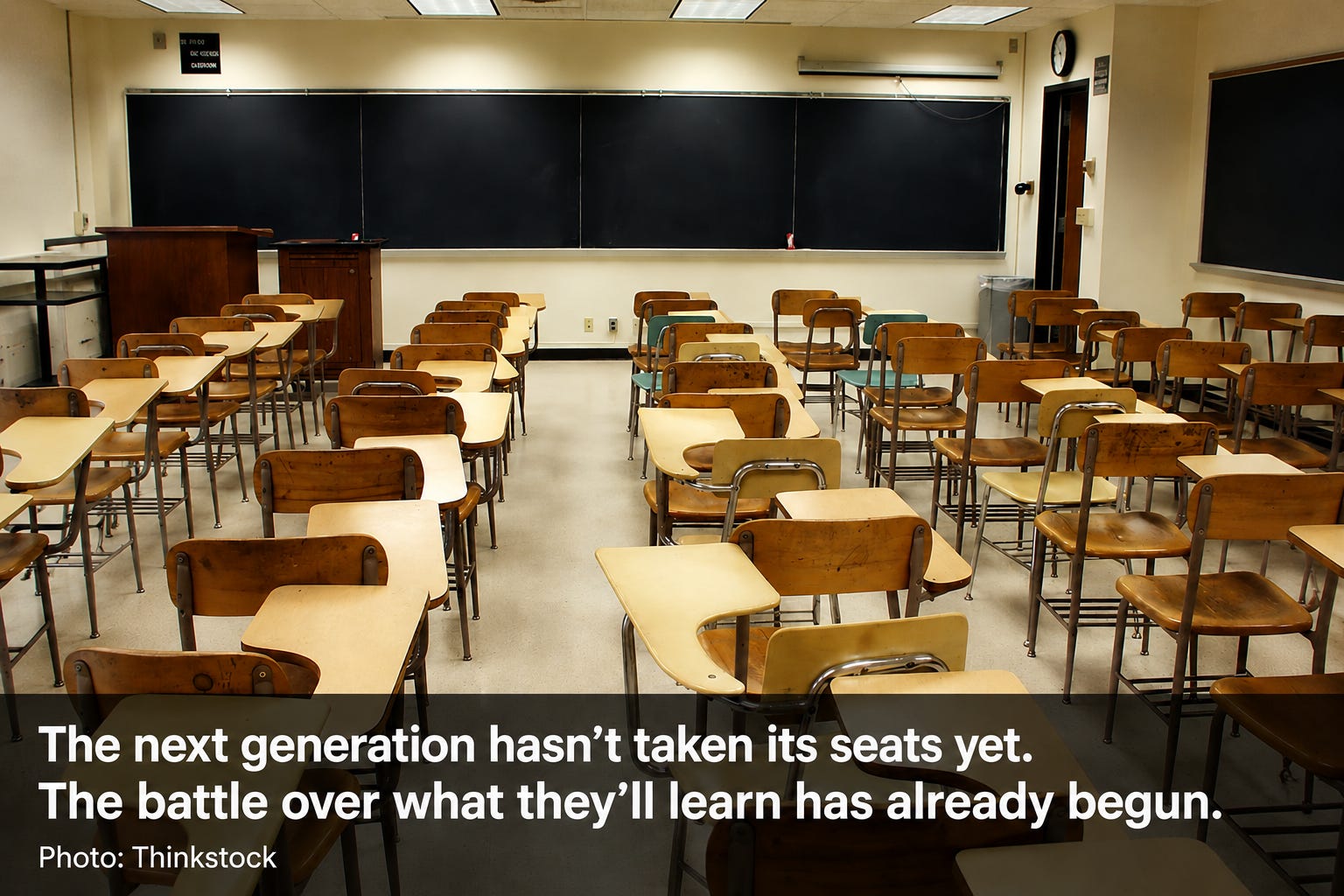
A classroom.
That’s why the latest vote by the Texas State Board of Education matters far beyond Texas. The headlines have focused on expanded Bible stories and references in elementary reading materials. That’s the controversy everyone sees, and it’s the easiest part of the story to argue about.
The more important question is why battles over school curriculum have become some of the most consequential political fights in America.
The Texas board recently approved a revised elementary reading curriculum that expands the use of Biblical stories and references within classroom instruction. Supporters argue the Bible is foundational to understanding American history, literature, and Western civilization. Opponents argue the changes blur the constitutional line separating public education from religious instruction and risk promoting one religious viewpoint over others.
Reasonable people can disagree about that debate.
What shouldn’t be controversial is recognizing how much influence these decisions carry. A state education board isn’t simply approving lesson plans for next semester. It’s helping determine what millions of children will absorb about their country during the years when their understanding of history, citizenship, and national identity is first taking shape.
That’s extraordinary power.
And unlike a presidential speech or an executive order, most people never notice it’s being exercised.
🔒 CONTINUE INSIDE THE WAR ROOM
If you’ve ever wondered why battles over school curriculum have become so fierce, this is where we connect the dots.
The rest of this briefing examines how education became one of the most powerful long-term political institutions in America, why every political movement eventually discovers the classroom, and what today’s curriculum battles reveal about tomorrow’s political landscape.
Upgrade today to unlock the complete Sunday Intelligence Briefing.
One of the biggest myths Americans tell themselves is that history exists, waiting patiently inside dusty books until somebody opens one.
It doesn’t.
History is curated before it’s taught.
Long before a teacher stands in front of a classroom, somebody has already decided which documents students will read, which historical figures deserve an entire chapter, and which events receive little more than a passing mention. Those decisions aren’t necessarily malicious, and they aren’t always political. Some are driven by limited classroom time, some by educational priorities, and some by genuine disagreements among historians.
But they’re still decisions.
That’s the part many Americans overlook whenever another curriculum fight erupts. We talk as though schools are simply transmitting objective facts from one generation to the next, when in reality every curriculum reflects judgments about what matters enough to remember.
That doesn’t mean history is fictional.
It means history is edited.
The Texas vote has become the latest battlefield because it touches one of the country’s oldest fault lines: religion in public education. Supporters argue that students cannot fully understand American history, literature, or Western civilization without understanding the Bible’s enormous cultural influence. Opponents worry that expanding Biblical instruction in public schools risks crossing the constitutional boundary between education and religious endorsement.
Those arguments deserve serious discussion.
They’re also only part of the story.
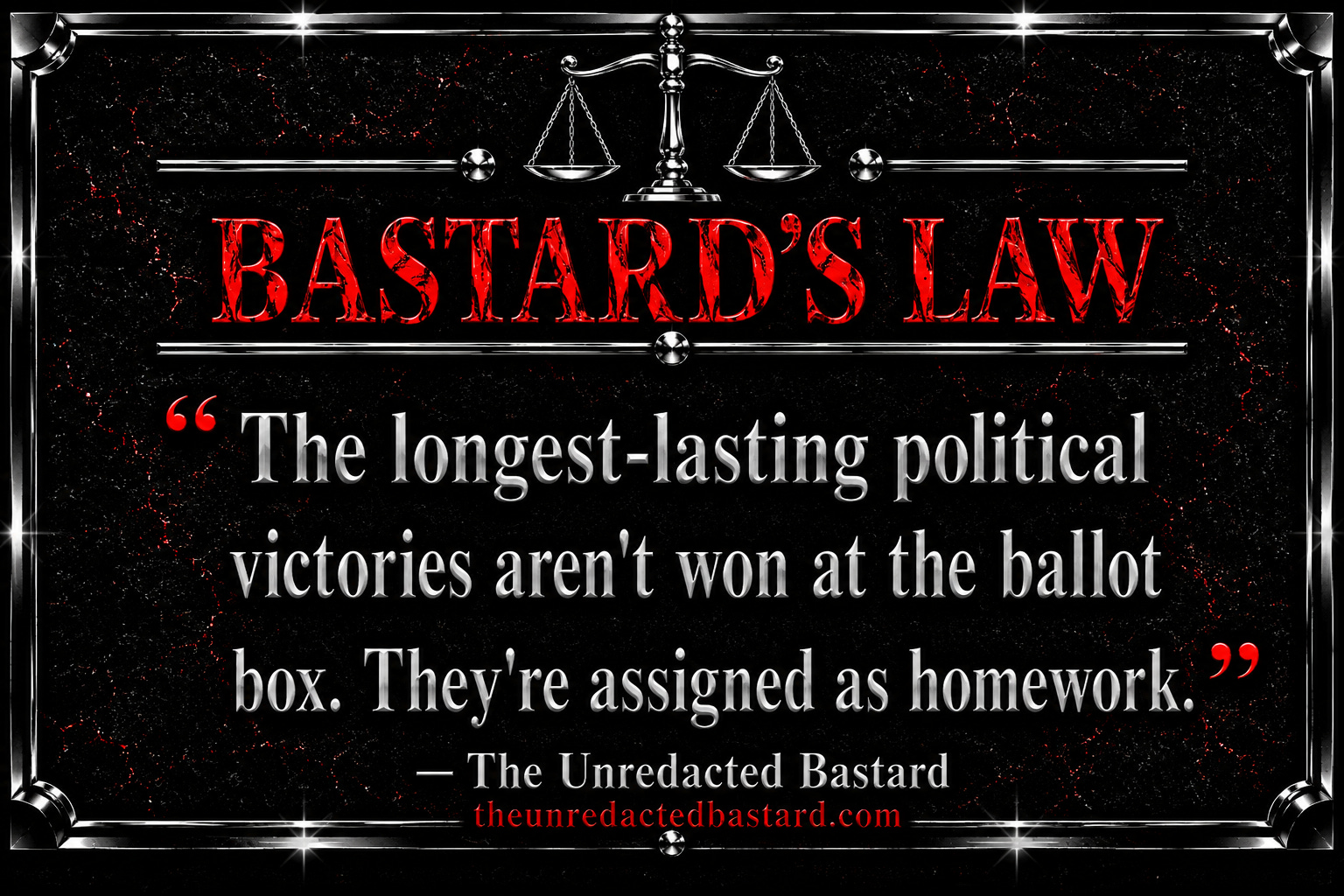
The larger issue is that education has quietly become one of the most valuable political institutions in America. Legislatures pass laws that can be repealed. Presidents sign executive orders that future presidents reverse. Courts issue rulings that later courts revisit.
Education works differently.
A lesson learned in fourth grade has a habit of sticking around long after the politicians who approved the curriculum have retired.
That’s an entirely different kind of power.
History is filled with governments that understood this long before modern political strategists did.
The American South spent decades promoting the Lost Cause narrative after the Civil War. During the Cold War, schools emphasized the ideological differences between democracy and communism. Civics courses have expanded, contracted, and changed emphasis depending on the political priorities of different generations.
None of those examples happened by accident.
Every society tells stories about itself because societies need shared narratives to survive. The difficult question isn’t whether those stories exist.
It’s who gets to write them.
That’s why curriculum battles never really end. One generation believes it is correcting omissions left by the generation before it. The next generation often decides those corrections went too far and begins revising the revisions.
The subjects change.
The machinery doesn’t.
This is also why reducing the Texas vote to another cable-news shouting match misses the point.
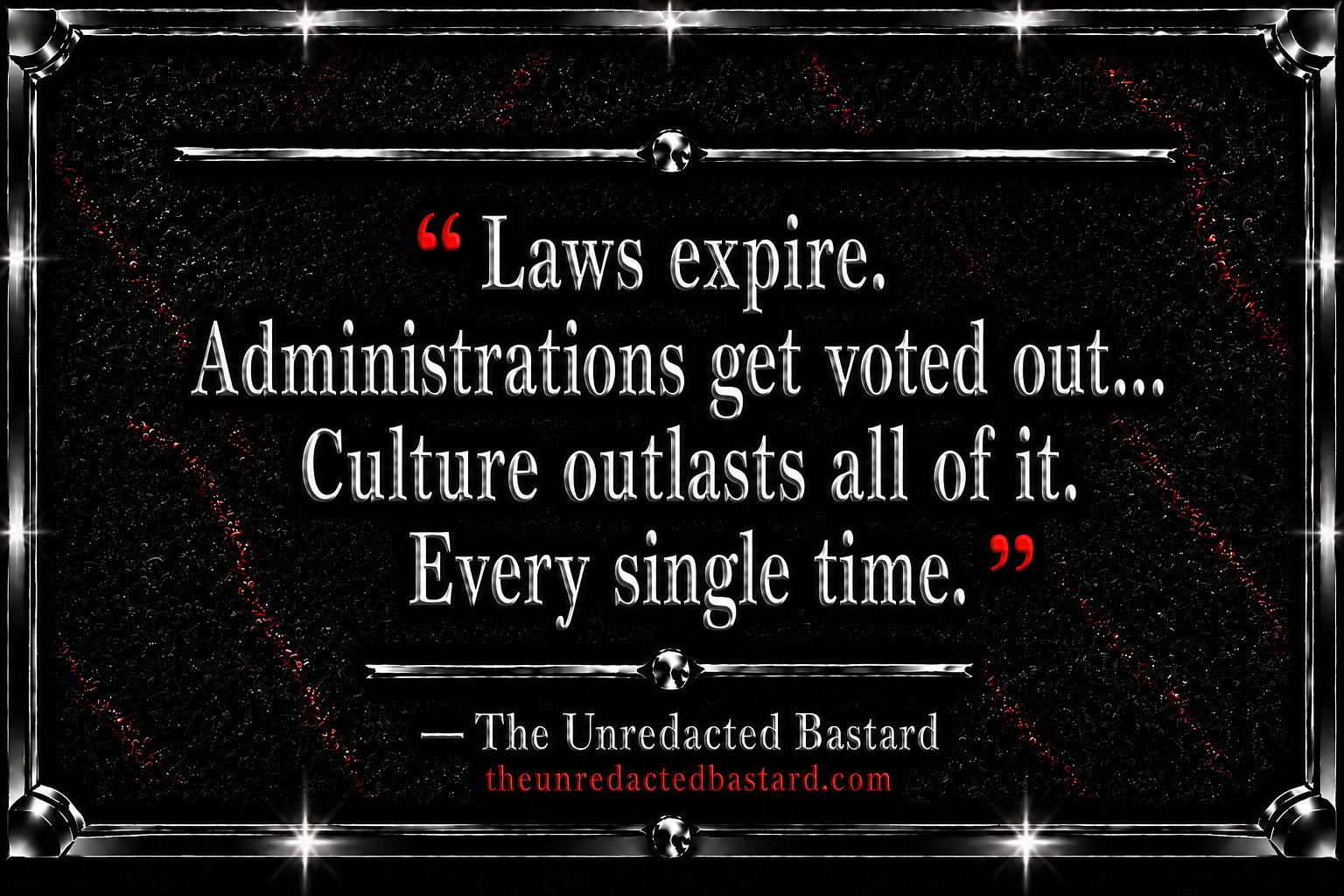
Whether you think the board made the right decision or the wrong decision, the institutional lesson remains exactly the same. Every political movement eventually discovers that winning elections isn’t enough. Laws expire. Administrations change. Coalitions fall apart.
Culture lasts longer.
And one of the places culture is quietly reproduced is inside classrooms where children are learning not only mathematics and grammar but also the stories their nation tells about itself.
That’s why education boards have become increasingly important political battlegrounds.
Not because children vote.
Because someday they will.
KEEP THE RECEIPTS HOT
If you appreciate journalism that looks beyond today’s headlines to examine the institutions quietly shaping tomorrow’s America, consider buying me a tea. Your support keeps the receipts hot and the bullshit detector fully operational.
🛰️ INTELLIGENCE ASSESSMENT
The fight in Texas isn’t the last curriculum battle America will have.
It won’t even be the last one this year.
The subjects will change. The political coalitions will change. One year the controversy will involve religion. Another year it may involve race, civics, gender, science, or American history itself.
What won’t change is the realization that classrooms shape citizens long before those citizens cast their first ballot.
That’s why education has become one of the country’s most strategically important political institutions. Elections determine who governs today.
Classrooms quietly influence who governs tomorrow.
The quietest battles often produce the loudest echoes.
ONE QUESTION BEFORE YOU GO
If every public school curriculum inevitably reflects someone’s values, what principles should determine where the line is drawn?
BASTARDONIA FACT
The Ministry of Education in Bastardonia requires every student to pass one final exam before graduation:
“Demonstrate the difference between evidence, opinion, and somebody yelling in all caps on the internet.”
The current national pass rate remains classified.
HASHTAGS
#WarRoom #Education #Texas #History #Democracy #PublicSchools #Politics #TheUnredactedBastard