

I don’t know exactly when grocery shopping turned into a financial stress test, but at some point, buying sandwich ingredients started feeling like a hostage negotiation with your own checking account.
You know the ritual. You grab a cart and start tossing in what used to be ordinary household staples: bread, milk, eggs, meat, coffee, maybe a few vegetables if you’re feeling financially reckless. Then you get to the checkout, see the total, and spend a solid thirty seconds staring at a number that cannot possibly be right before swiping the card anyway because what the hell else are you going to do, not eat?
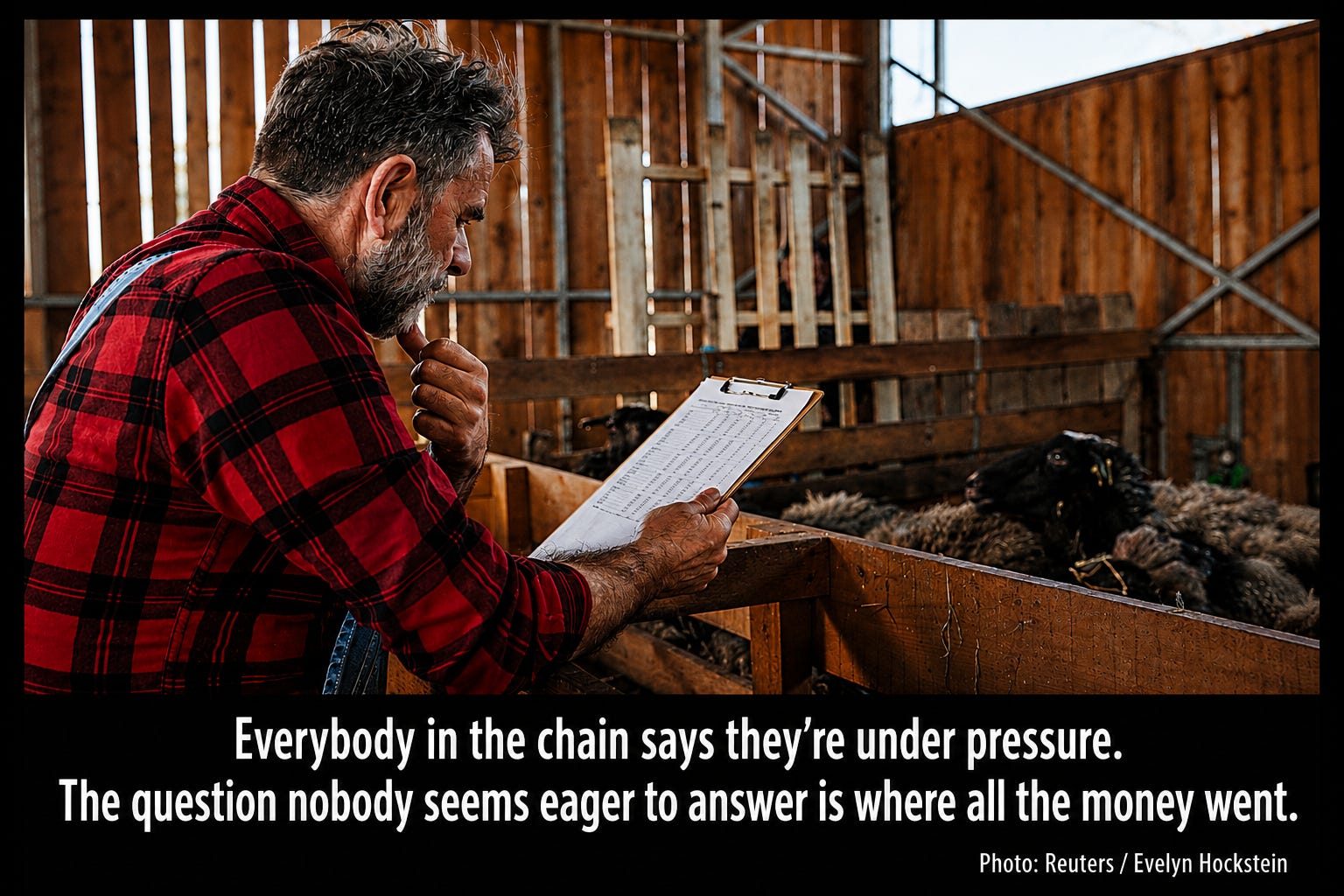
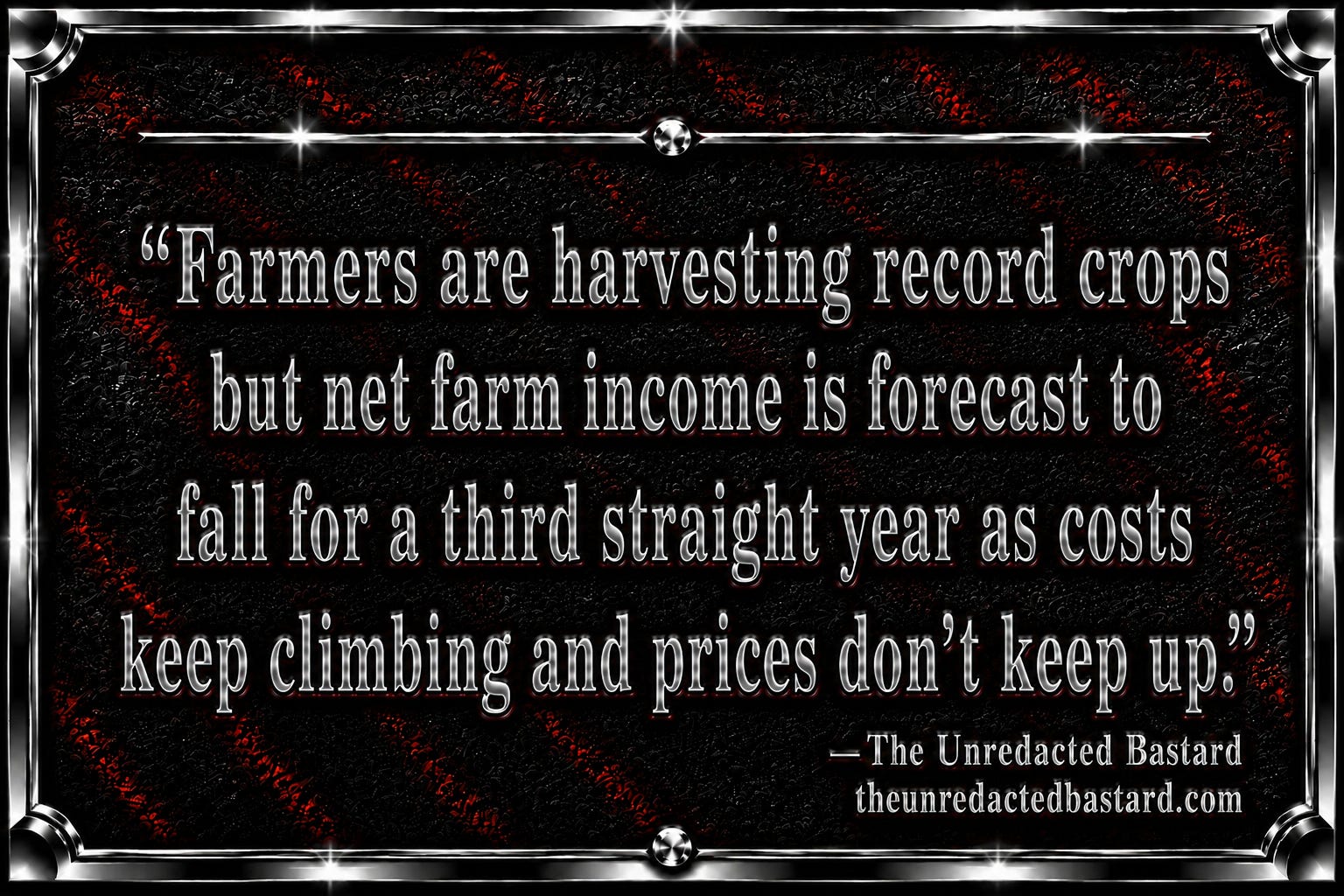
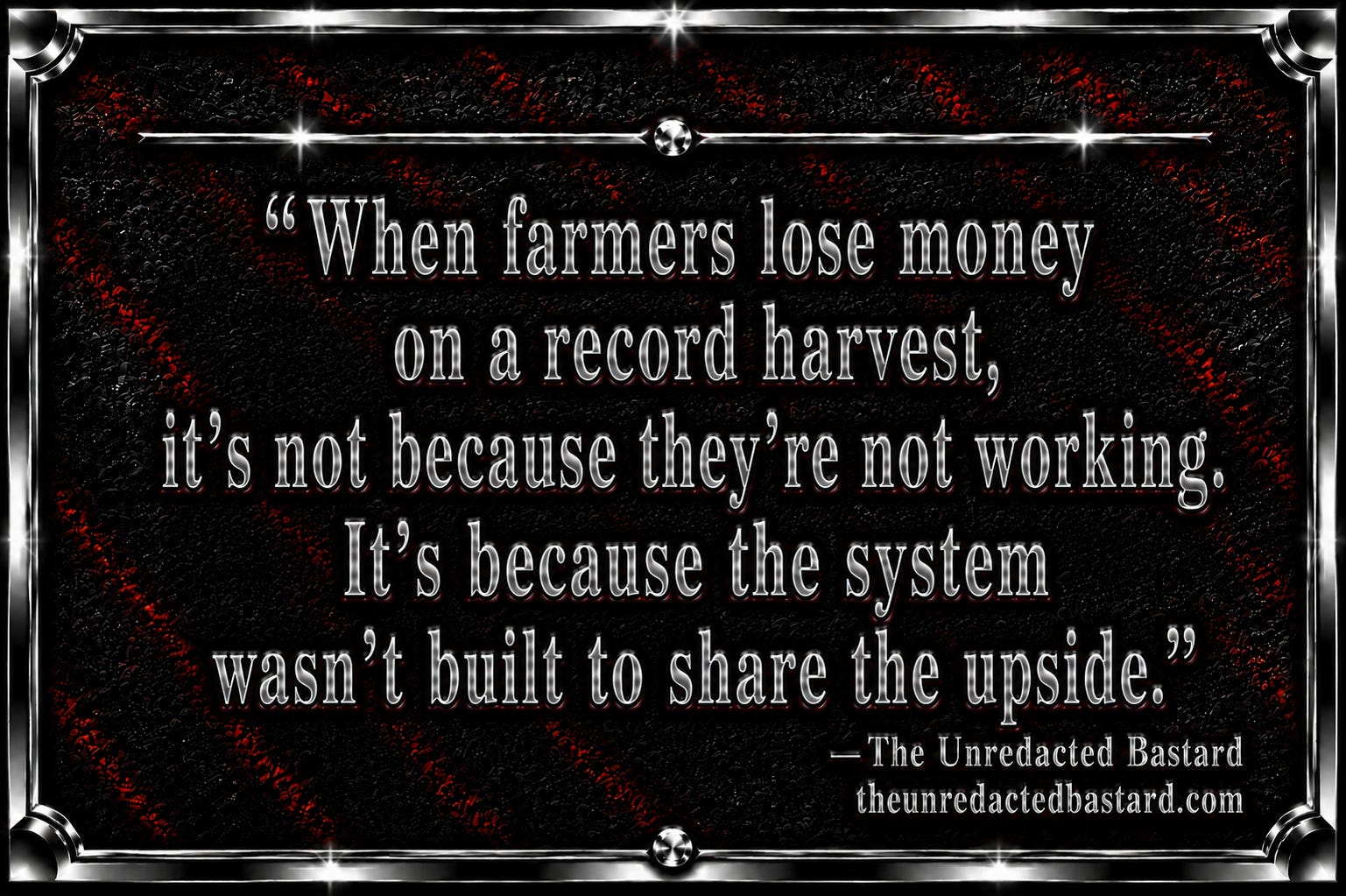
Reuters reported this week that rural America is catching the same beating from the other direction. Fuel costs are up. Borrowing costs are up. Equipment costs are up. Farming communities already operating on margins thin enough to read through are getting squeezed from every angle at once.
So now we’ve got confirmation of something a lot of people already knew in their gut.
Consumers are getting fucked at the register. Producers are getting fucked at the farm gate. And somewhere between the field and your kitchen table, somebody is having the time of their goddamn life.
I want to know who that is. I want their address.
Join Us Every Morning
Before one ear of corn gets planted, a farmer is already spending money like a drunk sailor with a gambling problem. Diesel isn’t cheap. Fertilizer isn’t cheap. Equipment parts aren’t cheap. Borrowing money sure as hell isn’t cheap. By the time crops are in the ground, a lot of producers have already spent months watching expenses stack up while hoping the weather, the markets, and basic bad luck don’t decide to gang up on them at the same time.
Then the crops start moving.
They move through processors, distributors, wholesalers, retailers, transportation networks, and enough middlemen to make your head spin. Every stop along the way takes a slice. By the time that food reaches your shopping cart, it’s been handled by a long line of people who never planted it, never repaired a tractor at midnight, and never spent sleepless nights wondering whether one bad season might wipe out years of work.
The farmer didn’t get rich. You didn’t get a bargain. Yet somehow the money keeps showing up somewhere.
One of the oldest tricks in American politics is convincing people to look sideways instead of up. If groceries are too expensive, blame immigrants. If farms are struggling, blame regulations. If wages aren’t keeping up, blame the other party. If housing prices have lost their damn minds, blame somebody who lives somewhere else.
The trick works because it’s easier.
Looking sideways at your neighbor is comfortable. Looking up at the people collecting the money forces uncomfortable questions.
That’s why I keep coming back to the same thing. The guy driving a tractor in Iowa sounds an awful lot like the nurse buying groceries in Pennsylvania. The mechanic in Ohio sounds a lot like the warehouse worker in Arizona. They probably disagree about politics, religion, and half the topics that can start a family argument. Yet when they talk about money, the stories start sounding strangely familiar.
No matter where you look, the complaints begin to overlap. Farmers worry about margins. Families worry about savings. Small business owners worry about staying afloat. Everybody uses different words, but they’re all describing the same pressure squeezing a little harder every year.
And yet we’re constantly told the economy is healthy.
To be fair, some of the numbers probably are healthy. Employment matters. Growth matters. Markets matter. But most Americans don’t experience the economy through reports, charts, or carefully worded press releases. They experience it through receipts, utility bills, insurance premiums, and grocery totals that somehow keep climbing while the promised relief remains permanently scheduled for sometime later.
When the people growing the food can’t afford the economy they’re helping sustain, the problem isn’t inflation. The problem is the economy.
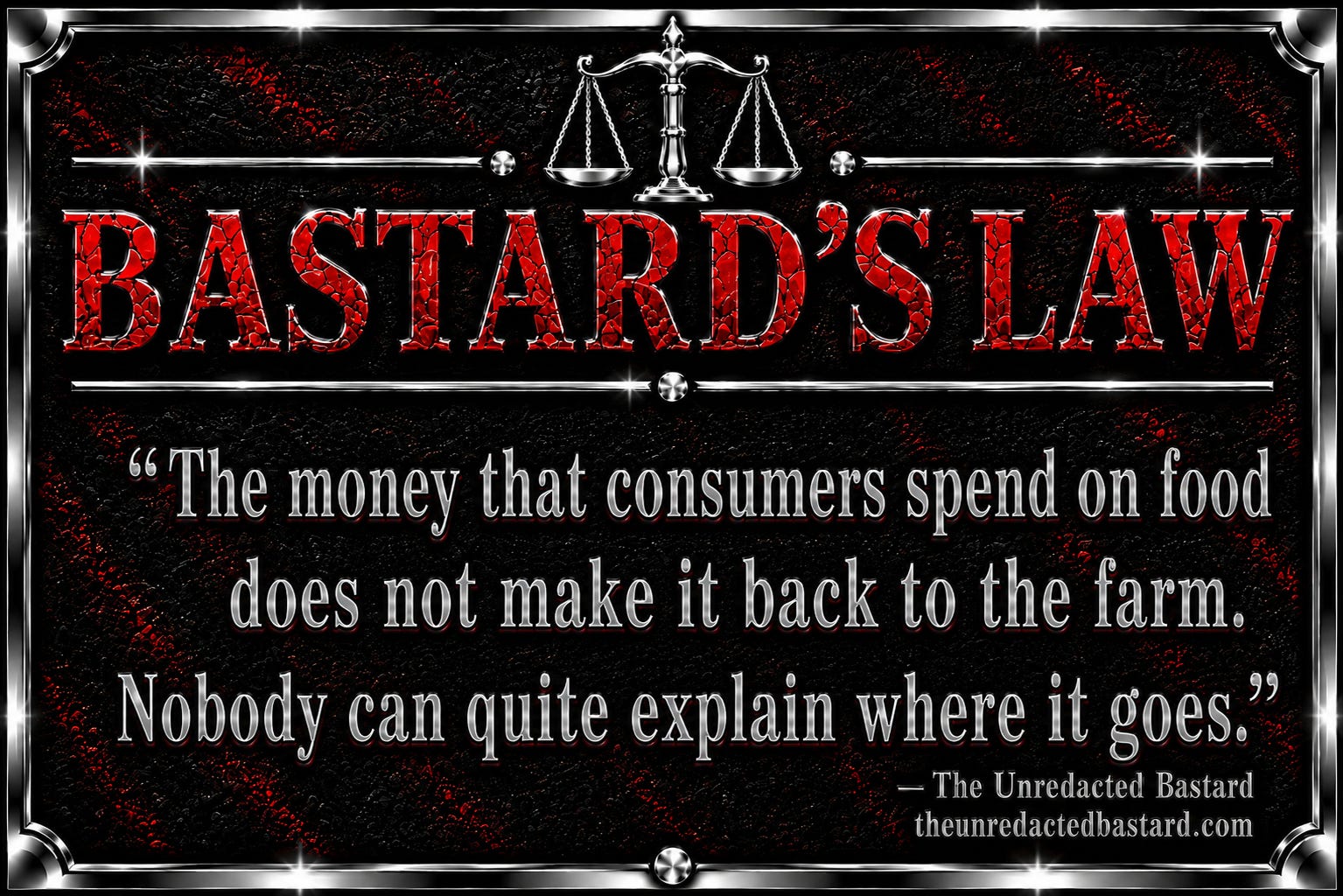
What we’re watching is a hell of a magic trick. Consumers are paying more. Producers are earning less. Everybody in between swears they’re under pressure too. Yet somehow the money keeps disappearing into a black hole nobody’s allowed to inspect.
Everybody gets called essential these days. Farmers are essential. Workers are essential. Truck drivers are essential. Small business owners are essential. Funny thing about being essential, though: the people carrying that label rarely seem to be the ones getting ahead.
Instead, they’re the ones absorbing higher costs, thinner margins, and more risk while somebody in a suit explains why patience is required and the fundamentals remain strong. Essential is what they call you right before handing you a bigger bill.
People don’t stop believing all at once. It’s slower than that. A little more doubt every month. A little more frustration every time a bill goes up again. A little more suspicion that maybe the people explaining the economy aren’t living in the same economy everybody else is.
That’s where the real danger lives.
Not in an election. Not in a candidate. Not in any particular political party.
The danger starts when enough people look at the gap between what they’re being told and what they’re actually living and conclude the whole thing is working exactly as designed.
They’re just not among the people it’s designed to help.
That’s not anger anymore. That’s resignation. And resignation is harder to fix because it doesn’t show up as outrage. It shows up as people quietly deciding that nobody is coming to help and nothing is going to change.
Washington can spend as much time as it wants arguing about culture, identity, symbolism, and whatever outrage is dominating social media this week. Meanwhile, millions of Americans are standing in grocery aisles doing math they shouldn’t have to do and wondering why a cart full of ordinary food suddenly requires strategic planning.
And that’s the part people keep missing. This pressure isn’t confined to one political party, one region, or one demographic. It shows up differently depending on where you live, but it’s hitting people all over the damn country.
History is full of revolts that started with ideology.
It’s also full of revolts that started because ordinary people looked around, looked at their expenses, looked at who seemed to be doing just fine, and finally said enough of this shit.
Maybe the reports are right. Maybe everything really is getting better.
If so, somebody should probably let the grocery receipts know because they haven’t gotten the message yet.
There comes a point where people stop comparing their lives to economic reports and start comparing economic reports to their lives. Once that happens, charts become a lot less persuasive than what people see every week at the grocery store, the gas pump, and the kitchen table.
That’s not a political problem.
That’s a credibility problem.
If the people buying the food and the people growing the food are both getting squeezed, stop asking who’s to blame and start asking who’s collecting.
Upgrade to a Paid Subscription
Get access to War Room, subscriber exclusives, and deeper dives that don’t fit inside the daily fire alarm.
Also, from our sister publication: Lotus Purrspective
Daily observations from a cat who remains deeply suspicious of human decision-making.
Like, Share, and Subscribe
If this article hit a nerve, share it with somebody who’s ever stared at a grocery receipt and muttered words that can’t be printed in a family newspaper.
Keeping the receipts hot and the bullshit detector fully operational.
Bastardonia Fact Of The Day:
The Sovereign Nation of Bastardonia classifies grocery receipts as forensic evidence.
#Politics #Economy #Inflation #CostOfLiving #RuralAmerica #TheUnredactedBastard