

Tom Hicks | November 9, 2026
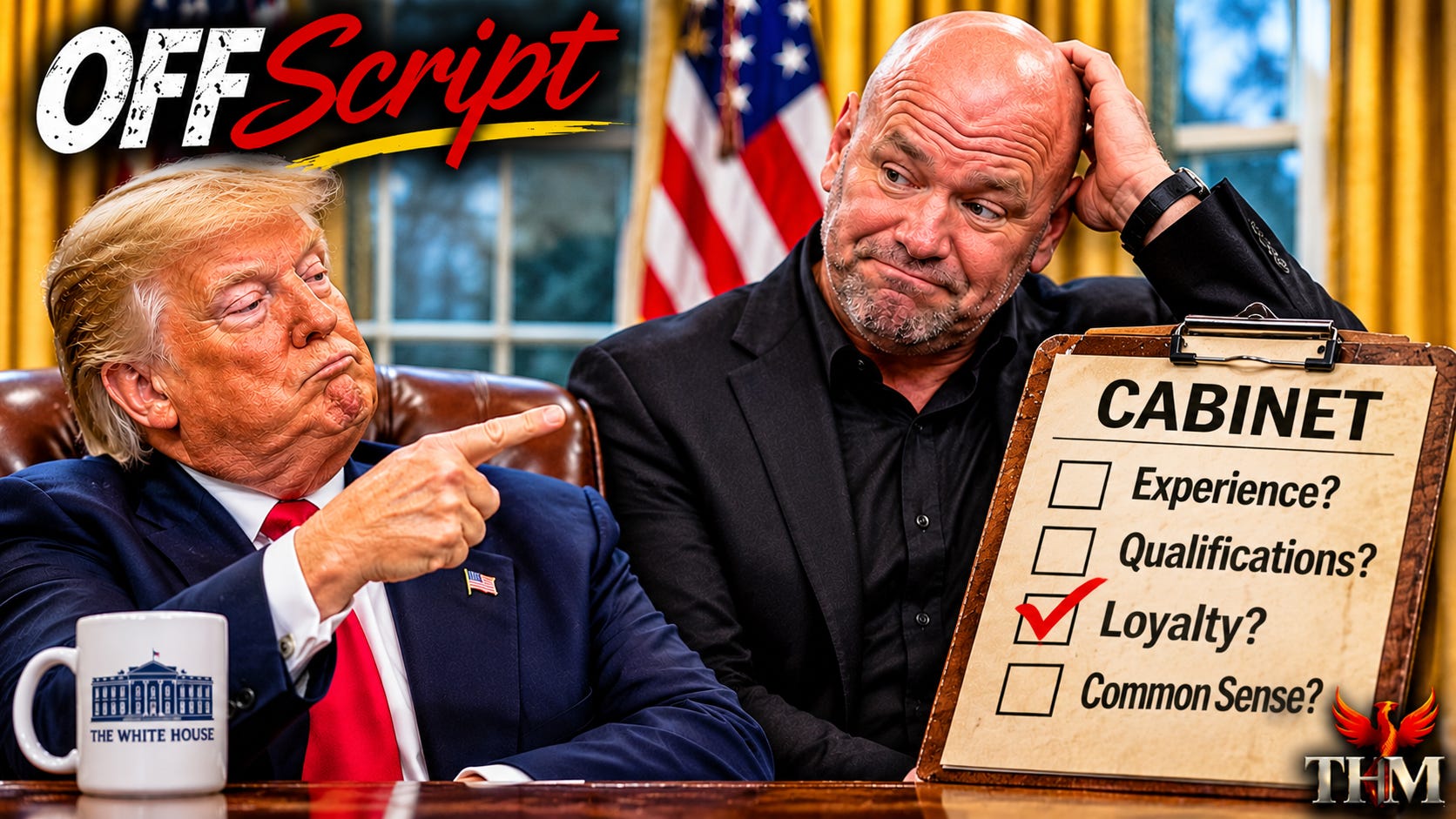
Apparently, Donald Trump was only kidding when he floated the idea of making UFC president Dana White his next White House press secretary.
Well, thank Christ for that. For a few hours, I was picturing White standing behind the briefing room podium, explaining the latest economic numbers while two heavyweight fighters stood beside him waiting for somebody from CNN to ask a follow-up question.
Trump has since clarified that the whole thing was a joke. Just a little fun. Nothing to see here, folks. Everybody can put away the boxing gloves.
Except there’s a problem with that explanation, and it’s a pretty big one.
How the hell were we supposed to know he was kidding?
Seriously. Think about it. The president of the United States suggests putting a professional fight promoter in charge of communicating with the American press, and the reaction isn’t universal laughter. People actually have to stop and consider whether he means it.
That’s where we are now.
Under normal circumstances, the idea of Dana White running White House press briefings would be so obviously ridiculous that nobody would need a clarification. But these aren’t normal circumstances, and Trump’s personnel decisions have long since wandered past the point where qualifications are necessarily a prerequisite for employment.
Look around the Cabinet.
Linda McMahon, whose principal qualifications include running a professional wrestling empire and being a loyal Trump ally, was handed the Department of Education, an agency the administration wants to dismantle. Robert F. Kennedy Jr., who spent years promoting vaccine misinformation, was put in charge of the nation’s health agencies. Pete Hegseth, a former television personality whose management experience hardly prepared him to oversee the Pentagon, got the keys to the military establishment.
And those weren’t jokes.
That’s what makes the Dana White episode worth talking about even after Trump admitted he was having a little fun. The punchline isn’t that White might become press secretary. It’s that the possibility sounded entirely plausible.
Trump can laugh about it now, but he’s spent years creating an administration in which personal loyalty often appears to count for more than expertise, independence, or the ability to tell the president something he doesn’t want to hear.
Which brings us to the people who actually got the jobs.
Because once the laughter dies down, we’re still left with a government full of people making decisions that affect millions of Americans. And at some point, somebody ought to ask whether the person being handed the keys knows what the fuck they’re supposed to do with them.
WELCOME TO THE CABINET. TRY NOT TO BREAK ANYTHING.
Of course, in Linda McMahon’s case, breaking things is practically in the job description. Most new employees are told not to wreck the place. She walked in with a mandate to help take it apart.
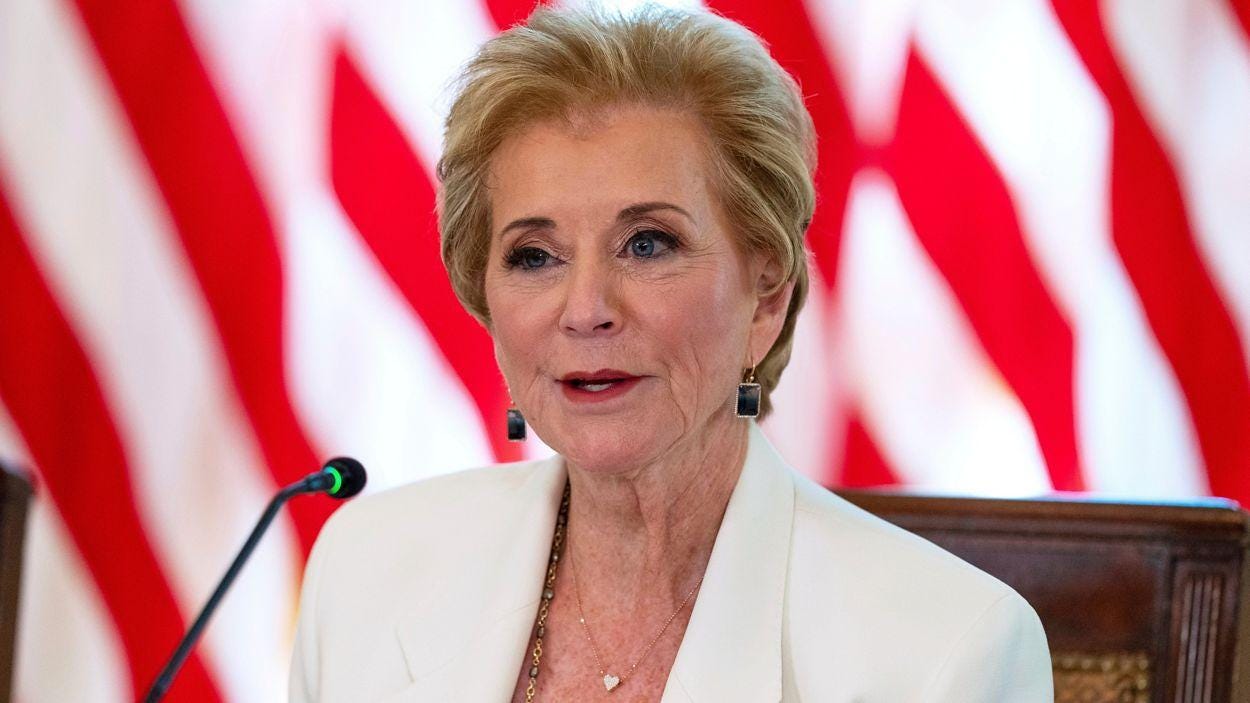
Before becoming secretary of education, McMahon was best known for helping build World Wrestling Entertainment into a multibillion-dollar business, where grown men routinely settle their disagreements by hitting one another with folding chairs while a referee somehow manages to miss the entire incident. She also served on Connecticut’s State Board of Education, was a university trustee, and ran the Small Business Administration during Trump’s first term. Those are legitimate credentials. I’m not going to pretend they don’t exist simply because they interfere with a good joke.
But neither am I going to pretend that overseeing federal education policy, student financial aid, civil-rights enforcement, and the enormous administrative machinery surrounding those responsibilities is the same as running a successful entertainment business. The Small Business Administration experience is relevant, certainly. Her education-related service is relevant, too. The question is whether that combination prepared her for the particular challenges of the department she was appointed to lead, especially when Trump’s stated objective has been to dismantle it.
Think about that assignment for a moment. You’re hired to lead an organization, and a central part of your job is figuring out how to eliminate it. That’s like appointing somebody director of the public library because they’ve promised to sell the books, fire the librarians, and turn the building into a pickleball court.
Maybe there’s a coherent argument for reducing the federal government’s role in education. Fine. Make it. Explain what happens to student aid, civil-rights protections, and the programs schools depend on. Tell taxpayers how the responsibilities will be handled and what they’ll cost. I’d be delighted to hear a serious explanation.
But don’t wave a résumé at me and expect me to applaud simply because the woman who helped make professional wrestling a household institution has been handed responsibility for federal education policy.
I can already hear somebody telling me that McMahon is a successful businesswoman, and therefore she knows how to manage things. By that logic, the guy who owns my local car wash should be running NASA because he understands water pressure and has never lost a customer in orbit.
And then there’s Robert F. Kennedy Jr.
Kennedy spent decades working as an environmental lawyer and activist, including on issues with genuine public-health implications. His supporters argue that he’s willing to challenge powerful institutions, question conventional thinking, and demand greater transparency. Those aren’t inherently bad qualities. Government agencies should be questioned. Scientific institutions should be held accountable. Pharmaceutical companies certainly don’t deserve a free pass because they’ve hired enough lobbyists to fill a convention center.
But HHS isn’t a podcast where you get to float a theory, argue with your guests, and move on to the next episode. It oversees agencies responsible for medical research, disease prevention, drug safety, health insurance, and programs affecting millions of Americans. Decisions made there can influence which medicines reach patients, how disease outbreaks are handled, and whether people receive reliable public-health information.
Kennedy has spent years promoting vaccine claims that conflict with substantial bodies of scientific evidence. That history raises legitimate questions about how he approaches expert advice, particularly when the advice contradicts positions he’s publicly defended. The secretary doesn’t have to be a physician, but he does have to make decisions in a world where scientific evidence matters considerably more than who won the argument on television.
I’ve spent plenty of time in hospitals over the years, and I’ve occasionally disagreed with doctors. Sometimes I’ve had good reasons. That doesn’t mean I should be running the Mayo Clinic. I can complain about airline service, too, but I don’t expect somebody to hand me the controls of a 747 because I’ve accumulated frequent-flyer miles and know which end of the plane has the cockpit.
The difference is that when I get something wrong about medicine, the consequences generally stop with me.
When the federal government gets public health wrong, they don’t.
I’VE WORN THE UNIFORM. THAT DOESN’T MAKE ME QUALIFIED TO RUN THE PENTAGON.
Pete Hegseth is another interesting case, and this one hits a little closer to home.
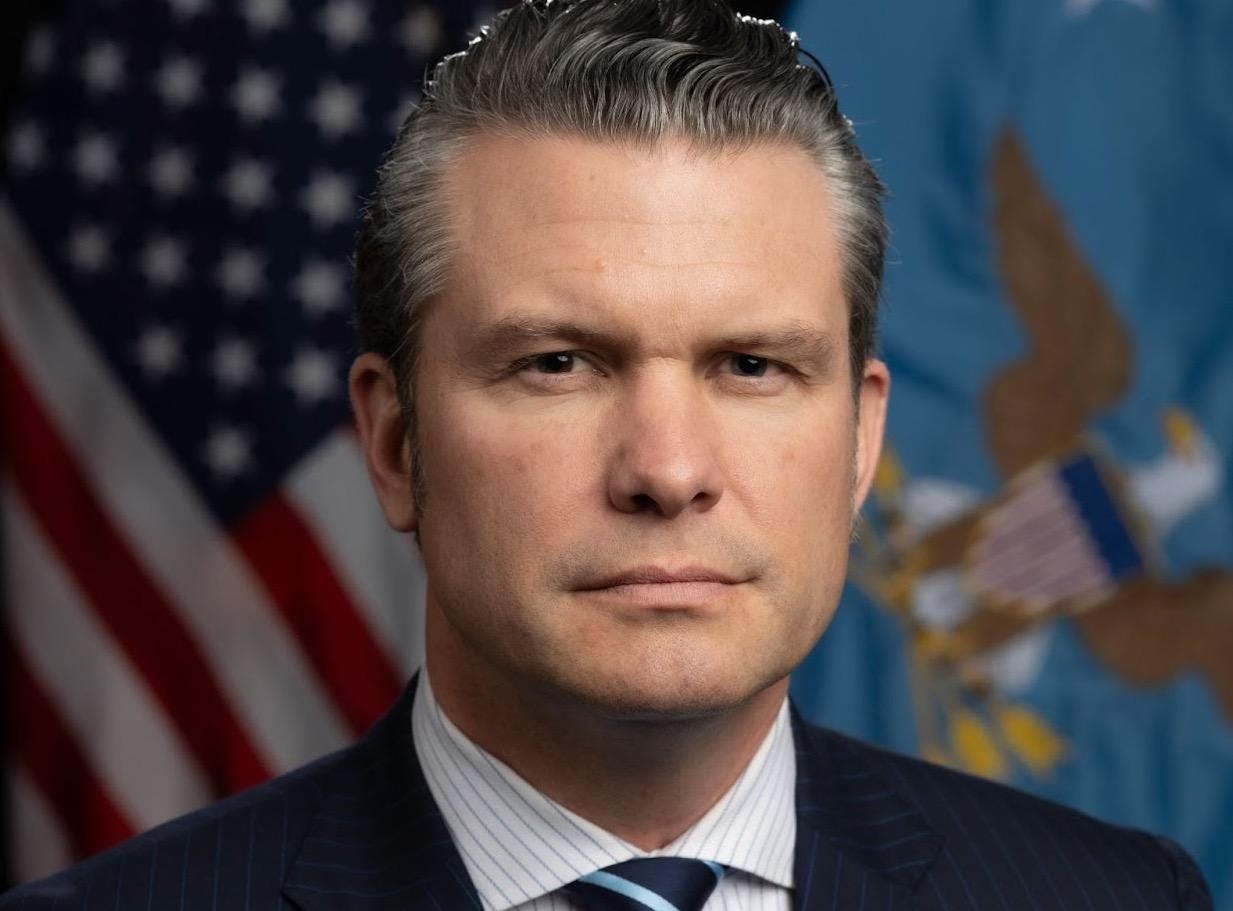
Hegseth served in the Army National Guard, deployed overseas, and earned military decorations. That service deserves respect, just as the service of millions of other veterans does. But somewhere along the way, his military background became part of the argument that he was prepared to serve as secretary of defense. Well, I served in the United States Air Force. I wore the uniform, followed orders, learned how the military operates, and came away with experiences that have stayed with me for the rest of my life. And I can assure you that none of those experiences made me qualified to run the Pentagon. I wouldn’t know where to begin, beyond asking somebody to show me the coffee machine and explain why every damn thing the military buys costs approximately seventeen times what it should.
Military service is relevant experience. It provides a perspective that people who’ve never served may not possess. But it’s a starting point, not a magic certificate of executive competence, and it doesn’t automatically prepare somebody to oversee global military operations, procurement programs, intelligence relationships, national-security strategy, and an enormous civilian and military workforce.
What the fuck does knowing how to function within the military have to do with knowing how to manage the entire institution? They’re related skills, certainly, but they’re hardly interchangeable.
And Hegseth’s tenure raises another issue that bothers me considerably more than his résumé: the departure of experienced senior military officers and civilian defense officials. Some have been dismissed, while others have resigned or retired, and those distinctions matter. Not every departure is evidence of a purge, and presidents have the authority to replace military leadership. Civilian control of the armed forces is one of the foundations of our system.
But when significant turnover occurs at the top of an organization responsible for national defense, I want to know why. I want to know whether the replacements possess the necessary experience, whether institutional knowledge is being preserved, and whether military professionals can still offer unwelcome advice without worrying that their careers will end before lunch. Those are reasonable questions regardless of which party occupies the White House.
I don’t expect generals to be immune from criticism. Hell, some of them probably deserve more of it. But I would hope that when a secretary of defense proposes something questionable, there’s at least one person in the room who understands the consequences well enough to say, “Mr. Secretary, that’s a terrible fucking idea.”
And I’d prefer that person still have a job the following morning.
Enjoying the conversation? Subscribe to Off Script for independent commentary, political nonsense, and the occasional well-earned profanity. It’s free to read, and there’s always room for another troublemaker.
THE ADULT I THOUGHT WAS IN THE ROOM
Now we come to Marco Rubio, and this is where I have to admit something.
When Trump started assembling his Cabinet, I actually had some hope for Rubio. Not because I agreed with everything he’d ever said, but because he had something a few of the other appointments seemed painfully short on: experience directly related to the goddamn job.
I honestly thought Rubio might be the adult in the room.
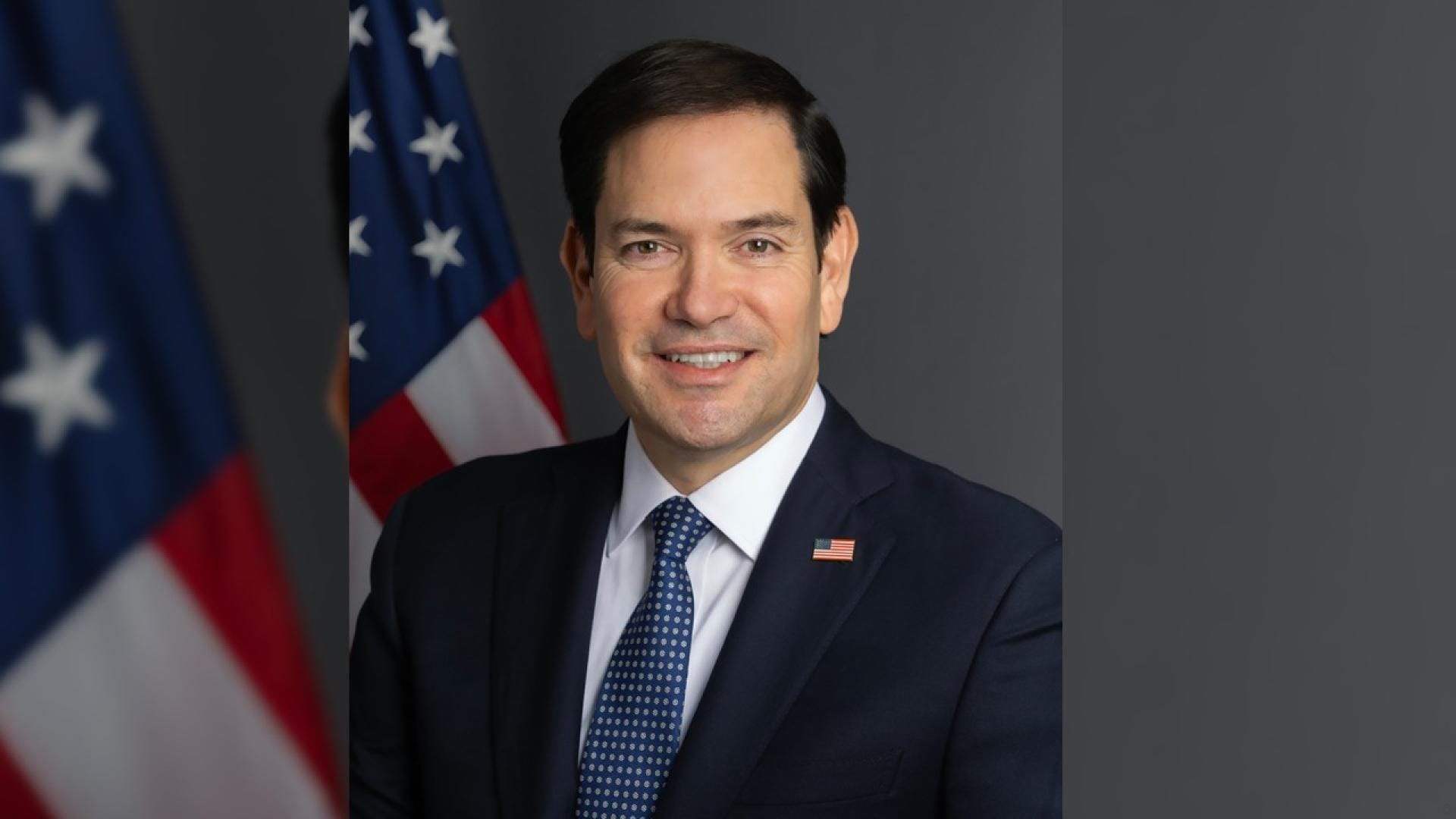
He’d spent years dealing with foreign policy and national security. He knew how Washington worked, understood America’s relationships with its allies, and had once been perfectly willing to criticize Trump publicly. I figured that when some particularly ridiculous proposal landed on the president’s desk, Rubio might be the guy who closed the door, sat down, and explained why it was a terrible fucking idea.
Instead, I’ve watched him defend an administration that has taken positions sharply at odds with some of his earlier arguments. His involvement in dismantling USAID is a particularly revealing example, given his previous defense of foreign assistance as a national-security tool.
Now, I understand that the secretary of state works for the president. Rubio doesn’t get to conduct his own foreign policy. But I had hoped his experience would make him an influential voice in shaping that policy, especially when the administration contemplated decisions he once would have challenged. He’d served on the Senate Foreign Relations Committee, dealt with complex international issues, and developed positions that suggested he understood the long-term value of American alliances and foreign assistance. I didn’t expect him to become the administration’s resident opposition party. I expected him to bring some judgment to the table.
Maybe those arguments happen behind closed doors. We can’t know everything he tells Trump privately.
But from what I’ve seen publicly, the independent judgment I hoped he’d bring to the job has been awfully difficult to find.
And that’s disappointing, because Rubio was one of the appointments where I genuinely expected something better.
I remember the Rubio who stood on debate stages in 2016 and challenged Trump directly. Whatever you thought of his politics, he wasn’t afraid to stand there and tell Trump he was full of shit. Maybe he didn’t use those exact words, but the message came through clearly enough. Now I watch him defend policies that seem miles away from positions he once held, and I find myself wondering what happened to that guy. Did he change his mind? Does he genuinely believe the policies are different from what critics claim? Has he decided that remaining inside the administration gives him more influence than publicly disagreeing with it?
Those are fair questions. I can’t see inside his head, and I’m not going to pretend I can.
What I can see is the public record, and it hasn’t given me the reassurance I hoped for when he was appointed. That’s the frustrating part. Rubio actually had the experience. He knew the issues, understood the institutions, and had spent years developing positions on foreign policy. He was exactly the sort of person I thought might provide some resistance when the administration started heading in a questionable direction.
Instead, I’m still waiting to see much evidence of that resistance.
And if somebody with Rubio’s background can’t demonstrate the value of independent judgment, what does that say about the importance this administration places on having people around who are willing to disagree?
THE PROBLEM WITH A ROOM FULL OF PEOPLE WHO AGREE WITH YOU
Every president needs people who support the administration’s agenda. Nobody expects a Democratic president to fill the Cabinet with Republicans who oppose everything he wants to accomplish, or vice versa. But an effective administration also needs people who can recognize a bad idea before it becomes government policy, and that means occasionally having the backbone to tell the president something he doesn’t want to hear.
That’s where loyalty becomes a tricky business.
There’s loyalty to the president, loyalty to the administration’s agenda, loyalty to the Constitution, and loyalty to the country. Ideally, those obligations don’t conflict. But when they do, the person sitting in a Cabinet office needs to understand which ones take precedence. The president doesn’t have to accept every recommendation. That’s why he’s president. But if the people around him believe their careers depend on agreeing with him, the quality of the advice becomes a legitimate concern.
I’ve known people who couldn’t stand being contradicted. Most of us have. They’re exhausting enough when they’re running a neighborhood committee or deciding where everybody should go for dinner. Put somebody like that in charge of a large organization and eventually the people around them learn to keep their mouths shut. The boss hears what he wants to hear, everybody congratulates themselves on another productive meeting, and the first sign of trouble arrives when the wheels come off.
Now imagine that organization controls the federal government.
A Cabinet meeting shouldn’t resemble a high-school pep rally where everybody gets a participation trophy for applauding the principal. And it certainly shouldn’t resemble a North Korean military parade where everybody’s terrified to stop clapping first.
The November 3 midterms have made this question more urgent. Republicans lost control of both chambers of Congress, Trump has begun changing his senior team, and Washington is doing what Washington always does after a political disaster: looking for somebody to blame.
Sometimes personnel changes reflect genuine disagreements about policy or management. Sometimes they’re attempts to change direction. And sometimes they’re an elaborate exercise in finding somebody to throw under the bus while everybody else insists the bus was operating perfectly.
But here’s what bothers me. If the original appointments were made with loyalty carrying more weight than independent judgment, replacing those people with others selected according to the same priorities doesn’t address the underlying concern. It simply gives a new group an opportunity to demonstrate how enthusiastically they can agree with the president.
And one appointment in particular makes me wonder whether we’re about to see more of the same, only with the volume turned up.
STEPHEN MILLER: THE SHADOW PRESIDENT?
Stephen Miller is scheduled to take over as White House chief of staff today, replacing Susie Wiles. Miller isn’t some inexperienced outsider wandering into Washington with a campaign button and a suitcase. He’s been part of Trump’s political operation for years, helped shape the administration’s immigration agenda, and developed a reputation for exercising influence across multiple areas of policy. He understands the machinery of this White House, knows how to navigate it, and has the president’s trust.
In fact, I’ve wondered for some time whether Miller has already been functioning as something resembling a shadow president.
Now, before somebody starts firing off an angry response, I’m not suggesting that Miller secretly signs executive orders while Trump plays golf. Trump is the president. The decisions made in his name are ultimately his responsibility, and nobody should be allowed to shift that accountability onto a subordinate simply because the subordinate is particularly influential.
But there’s a legitimate question about how much power Miller already exercises over which policies get developed, how they’re presented, and how aggressively they’re carried out. Presidents don’t personally draft every proposal, coordinate every agency, or supervise every enforcement operation. The people who control information, shape the available choices, and turn broad political promises into actual government action can exercise enormous influence without ever appearing at a presidential podium.
And now Miller is moving into the office that helps coordinate the entire White House.
That’s a hell of a promotion.
The chief of staff helps determine who gets access to the president, which priorities receive attention, how disputes among advisers are resolved, and how decisions move through the executive branch. It’s one of the most influential jobs in American government, and it doesn’t require Senate confirmation. In Miller’s case, that formal authority is being added to years of experience working inside Trump’s operation and helping develop some of its most controversial policies.
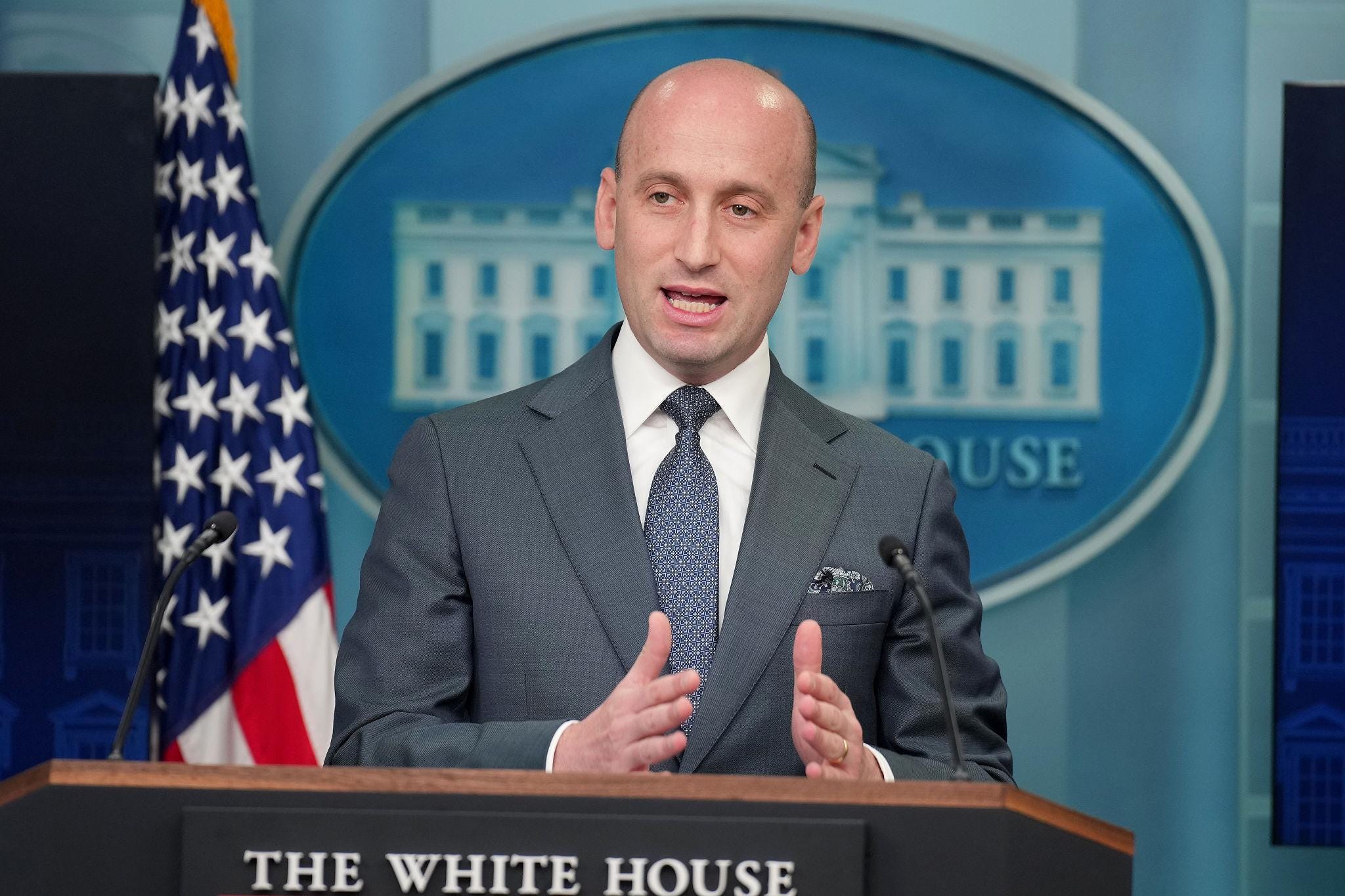
His supporters see that as an advantage. They argue that Miller understands the president’s priorities, knows how to get things done, and will help the administration carry out the agenda voters elected Trump to pursue. There’s a legitimate argument that a chief of staff should be capable of translating presidential decisions into coordinated action.
But Miller’s record on immigration enforcement also raises serious questions about how that authority will be exercised. He has supported aggressive deportation measures and policies that have generated constitutional disputes involving due process, detention, and the treatment of people caught up in enforcement operations. Supporters argue that strong enforcement is necessary to uphold immigration law. Critics point to the consequences when enforcement methods sweep too broadly or deny people meaningful opportunities to challenge government action.
And here’s where the whole discussion stops being an entertaining argument about Washington personalities.
We’re talking about actual human beings. Families. Children. People seeking legal protection. People who may have every legal right to remain in this country but find themselves caught in an enforcement operation where the consequences of a mistake can be devastating. We can argue about border security, deportation priorities, and immigration law until we’re all blue in the face. That’s what political debate is supposed to be about. But constitutional protections aren’t optional accessories that the government gets to remove when they become inconvenient.
Due process matters. The right to challenge government action matters. And when the government makes a mistake, the people affected shouldn’t have to depend on somebody in Washington suddenly developing a conscience.
Miller’s promotion doesn’t establish what decisions he’ll make as chief of staff, and nobody outside the inner circle can know precisely how every conversation with the president unfolds. But his record provides a substantial basis for examining how he might use the additional influence that comes with the position. If he has already been one of the principal architects of the administration’s immigration policies, the question now is what happens when that influence extends more formally across the White House.
I don’t know the answer.
But I’d sure as hell like somebody to keep asking the question.
Because a bad personnel choice can create administrative confusion, wasted money, and embarrassing headlines. A poorly considered government policy can do considerably more damage, particularly when the government has the power to detain people, separate families, or remove individuals from the country. Those decisions require lawful procedures, careful judgment, and accountability when something goes wrong.
And no amount of political loyalty substitutes for any of those things.
BACK TO THE CAGE
So Dana White isn’t going to be the next White House press secretary. Trump was joking, everybody had a good laugh, and White can go back to running an organization where people are paid to beat the hell out of each other instead of doing it for free in the White House briefing room.
But here’s what bothers me.
The president can joke about hiring a fight promoter to handle the press, and we can laugh about it. Fine. I laughed, too. The problem is that the joke works because we’ve gotten used to appointments that would have sounded like punchlines ten years ago.
And unlike a UFC event, the consequences of putting the wrong people in charge don’t end when somebody rings a bell.
There’s no referee to separate the combatants when things get ugly. No ringside doctor to decide whether the country has taken enough punishment. And no commission standing by to suspend somebody for repeatedly punching below the belt.
Although, come to think of it, Washington could use one of those.
Trump says the Dana White offer was just a little fun. Maybe so. But the people running our government aren’t imaginary, their decisions aren’t scripted, and the damage they can do doesn’t disappear when the audience stops laughing.
In the UFC, at least the fighters know what they’ve signed up for.
And the American people don’t get to tap out.
ONE LAST QUESTION
When a president chooses Cabinet officials and senior advisers, what should carry the most weight: professional experience, agreement with the administration’s agenda, or the willingness to challenge the president when necessary?
For more political analysis, read Blind Spot every Sunday. For the strange and frequently ridiculous side of history, visit What the Hell?.
A FOUR-YEAR-OLD WITH A BIG MOUTH AND NO FILTER
Meet Lucy. She’s four and a half, wears pink glasses, and has discovered something deeply troubling about grown-ups: they get mad when you tell the truth, then get mad again when you keep your mouth shut.
Her latest adventure involves Grandma’s meatloaf, a few family secrets, and a mother who’s beginning to regret teaching her daughter how to talk.
Lucy doesn’t understand what she did wrong.
Frankly, I’m not entirely sure what she did, either.
Read her latest misadventure in Just Lucy — I Didn’t Mean to Tell Everybody.
Four and a half years old. Absolutely no concept of plausible deniability.
Explore the entire lineup at Tom Hicks Media — The Complete Collection.
#OffScript #TrumpAdministration #WhiteHouse #Accountability #CabinetAppointments #PoliticalCommentary #StephenMiller