

BLIND SPOT | SUNDAY SPECIAL
Tom Hicks | November 8, 2026
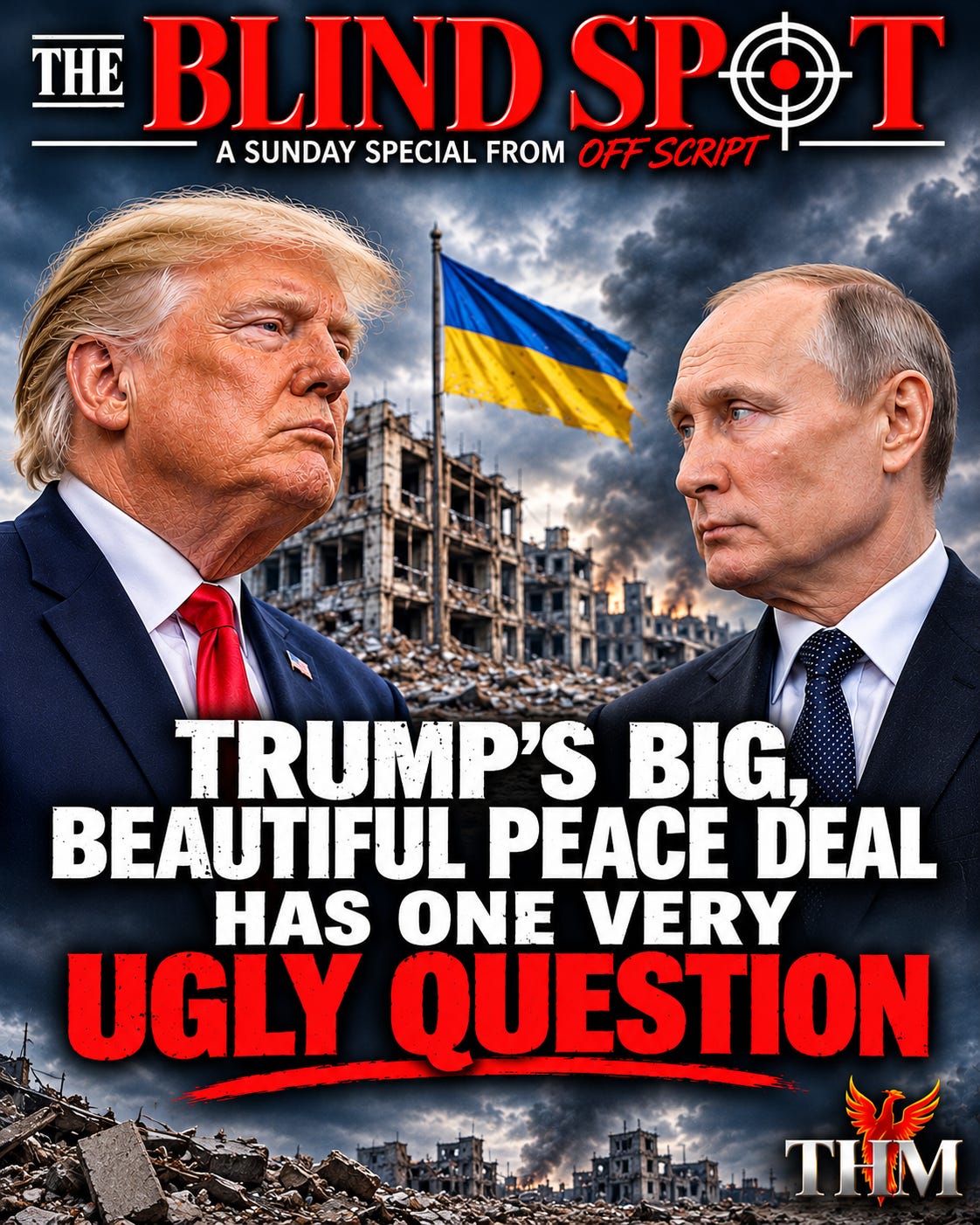
I’ve been around long enough to know that whenever a politician starts describing an agreement as big and beautiful before anybody has seen the damn thing, it’s probably a good idea to check whether somebody’s already made off with the silverware.
Donald Trump says he’s getting close to an agreement that could end Russia’s war against Ukraine. Wonderful. I’d love to see that war end. I’d love to see Ukrainian families stop burying their children, Russian soldiers stop dying in a war they never should have been sent to fight, and the rest of Europe get through a winter without wondering whether Vladimir Putin has another country on his shopping list.
But Trump isn’t merely talking about Ukraine anymore. He’s talking about an agreement that could involve all of Europe. His administration is discussing a broader European security arrangement, and Russia has spent years demanding precisely the sort of influence over its neighbors that those neighbors joined NATO to escape.
And before anyone starts measuring Trump for another Nobel Peace Prize, I’d like to know one little thing.
What, exactly, is everybody agreeing to?
Because right now, the answer seems to be somewhere between we’re working on it and trust us.
And I’m getting a little tired of being asked to trust people who won’t show me the paperwork.
THE PEACE DEAL THAT ARRIVED BEFORE THE PEACE
On Thursday, November 5, Trump met privately at the White House with Kirill Dmitriev, a special envoy for Vladimir Putin. Ukrainian representatives were also visiting the White House that day, but Trump didn’t meet personally with them.
Let that sink in for a moment.
The president of the United States held a private meeting with the representative of the country that invaded Ukraine, while the representatives of the country being invaded were elsewhere in the building.
Now, to be fair, American officials have been meeting with Ukrainians and European allies. Jared Kushner was in Brussels discussing security arrangements with representatives of Ukraine, NATO, and European governments. Diplomacy involves separate meetings all the time, and the mere fact that Trump met with Dmitriev doesn’t establish that anyone was excluded from the larger negotiating process.
But when you’re talking about the future of somebody else’s country, appearances matter. And this particular appearance could use a little work.
Trump emerged talking about a sweeping agreement that might extend beyond Ukraine to all of Europe. He predicted that everyone would be delighted.
Everybody?
That’s an ambitious customer-satisfaction guarantee for a continent containing dozens of countries, several competing security interests, and one government that has spent the better part of five years trying to survive a Russian invasion.
Maybe Trump knows something the rest of us don’t. Maybe his negotiators have found a genuine opening. That would be welcome news.
But announcing that everybody’s going to love a deal before revealing what’s in it is a little like selling a house and assuring the buyer that the basement is perfectly dry while refusing to hand over the key.
I’m going to want to see the basement.
BEFORE WE GO ANY FURTHER, A WORD ABOUT BLIND SPOT
For the past several weeks, Blind Spot has been free while we examined the midterm elections, voting rights, election procedures, and the machinery that makes democracy work—or occasionally makes you want to bang your head against the kitchen counter.
That was intentional. I wanted those election stories available to everybody, regardless of whether they could afford a subscription.
With the elections behind us, Blind Spot is returning to its regular paid format. The deeper investigations take time, research, and more coffee than a reasonably functioning human being should require.
If you’ve been reading the free election series, I hope you’ll consider becoming a paid subscriber. It helps keep this work going, and it means we can continue asking uncomfortable questions without waiting for somebody important to give us permission.
Speaking of uncomfortable questions, here’s where this story gets considerably more interesting.
PAID SUBSCRIBER SECTION BEGINS HERE
WHO INVITED PUTIN TO HELP REDESIGN EUROPE?
Here’s the part that concerns me more than Trump’s adjectives.
The White House is proposing a broader European security framework. According to Jared Kushner’s November 5 outline, it would include permanent security consultations, better crisis communications, military transparency, and measures intended to reduce the risk of another conflict.
Those are legitimate diplomatic objectives. If the United States, Russia, Ukraine, and European governments can establish reliable ways to prevent another war, that’s something worth pursuing.
Kushner also said the framework would respect national sovereignty, territorial integrity, and each country’s right to choose its own security arrangements. NATO would remain central to European collective defense.
Good. Those are important commitments.
But there’s a rather substantial problem.
Russia has repeatedly sought restrictions on NATO’s presence and expansion in Eastern Europe. Kremlin adviser Yury Ushakov recently raised the possibility of returning NATO to its pre-1997 posture, before the alliance admitted many of its current Eastern European members.
That’s a fundamentally different vision of European security from the one Kushner is describing.
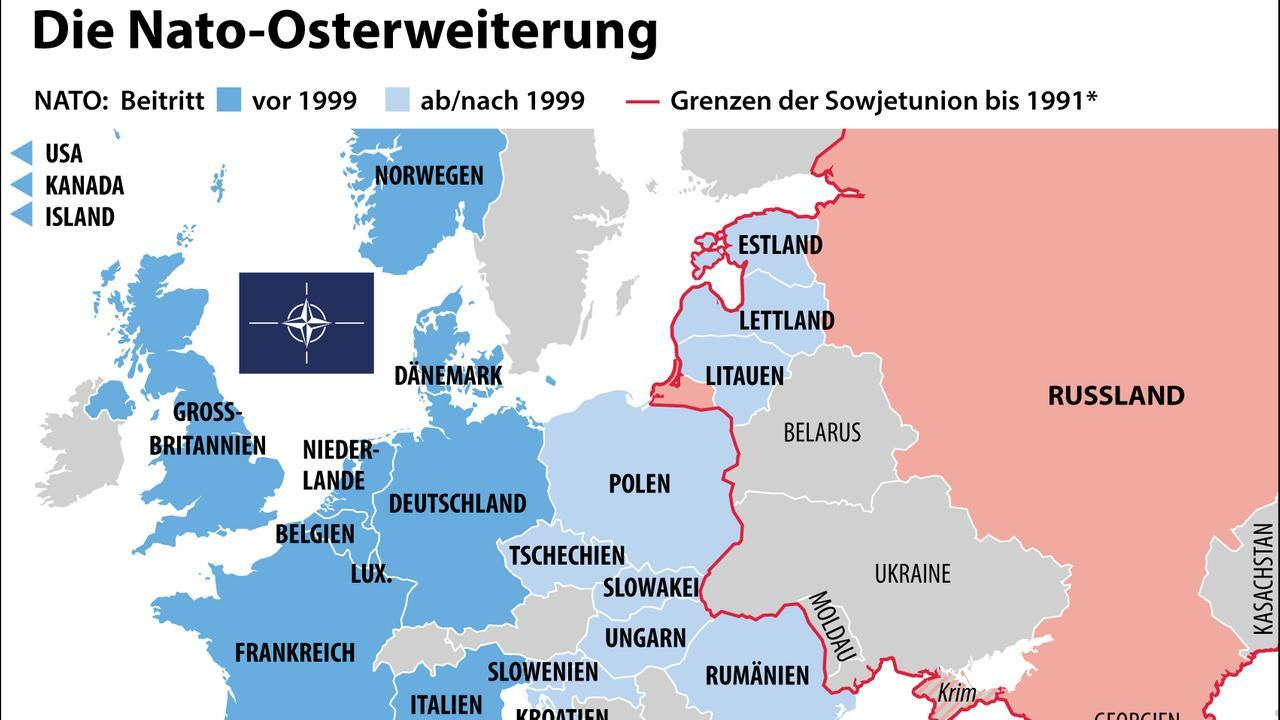
And this is where we need to stop treating the negotiations like a real-estate transaction between two wealthy men who disagree about where to put the fence.
Poland isn’t a bargaining chip. Neither are Estonia, Latvia, or Lithuania. These are sovereign countries whose governments and citizens have made their own decisions about alliances and security.
Russia doesn’t get to decide those choices simply because Putin dislikes the outcome.
Of course, negotiating with Russia doesn’t automatically mean accepting Russian demands. Diplomats routinely discuss proposals they have no intention of approving. The American framework, at least as publicly described, explicitly rejects giving one country a veto over another country’s alliances.
That’s encouraging.
But if the final agreement involves adjustments to NATO’s posture, restrictions on military deployments, or changes to European security commitments, the details will matter enormously.
A lot more than Trump’s enthusiasm, that’s for damn sure.
UKRAINE ISN’T A PIECE OF PROPERTY WITH A DISPUTED FENCE
Now we get to the territory.
Russia continues to demand control over territory in eastern Ukraine, including areas of the Donbas that Russian forces have not captured. Ukraine has resisted surrendering those areas as part of a settlement.
There’s an obvious reason for that.
We’re talking about Ukrainian territory, Ukrainian communities, Ukrainian homes, and Ukrainian citizens. A line drawn across a map in a negotiating room isn’t just a line. It determines who governs those people, which laws apply to them, and whether they can safely remain where they’ve lived.
And there’s another distinction that gets lost whenever politicians start talking about ending wars as though they’re closing a difficult business deal.
A ceasefire is not the same thing as surrendering sovereignty.
A negotiated halt to fighting might leave territorial questions unresolved while creating mechanisms to prevent renewed attacks. Formal recognition of Russian ownership would be something else entirely.
Those are different outcomes, with very different consequences.
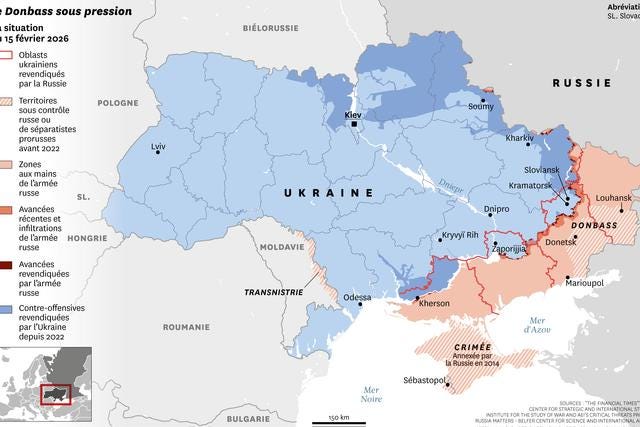
The other problem is enforcement.
Suppose Ukraine agrees to a ceasefire. Suppose Russia agrees to stop attacking. Suppose everybody shakes hands, smiles for the cameras, and Trump announces that he’s accomplished what nobody else could.
What happens if Russian forces cross the line again?
Who responds? NATO? A European coalition? The United States? And what commitments would those governments actually be willing to enforce?
A security guarantee that depends entirely on the goodwill of the country that launched the invasion isn’t much of a guarantee.
It’s a very expensive wish.
THE MONEY QUESTION NOBODY SHOULD IGNORE
There’s another dimension to these negotiations that deserves scrutiny: economics.
Sanctions relief, energy trade, reconstruction financing, and access to markets could all become bargaining instruments in a broader agreement.
That doesn’t automatically make them improper. Economic incentives have played important roles in peace negotiations for generations. Removing sanctions in exchange for verifiable concessions can be a legitimate diplomatic tool.
But the sequence matters.
If sanctions are lifted before Russia fulfills its commitments, what leverage remains if Moscow decides to ignore the agreement? If Russian energy exports resume, how would European governments avoid recreating dependencies they have spent years trying to reduce?
And if American companies participate financially in future energy or reconstruction projects, what safeguards would prevent commercial interests from influencing security decisions?
Those questions aren’t accusations. They’re questions that ought to be answered before anyone starts celebrating.
We should also distinguish documented proposals from speculation. There have been reports about possible economic arrangements, including renewed Russian energy exports, but the public record does not establish that Trump has agreed to specific pipeline investments or sanctions concessions as part of the current negotiations.
I’m not going to invent a secret deal simply because the people involved make it tempting.
The facts are troubling enough without giving them a little fictional assistance.
SATURDAY MORNING’S MESSAGE FROM MOSCOW
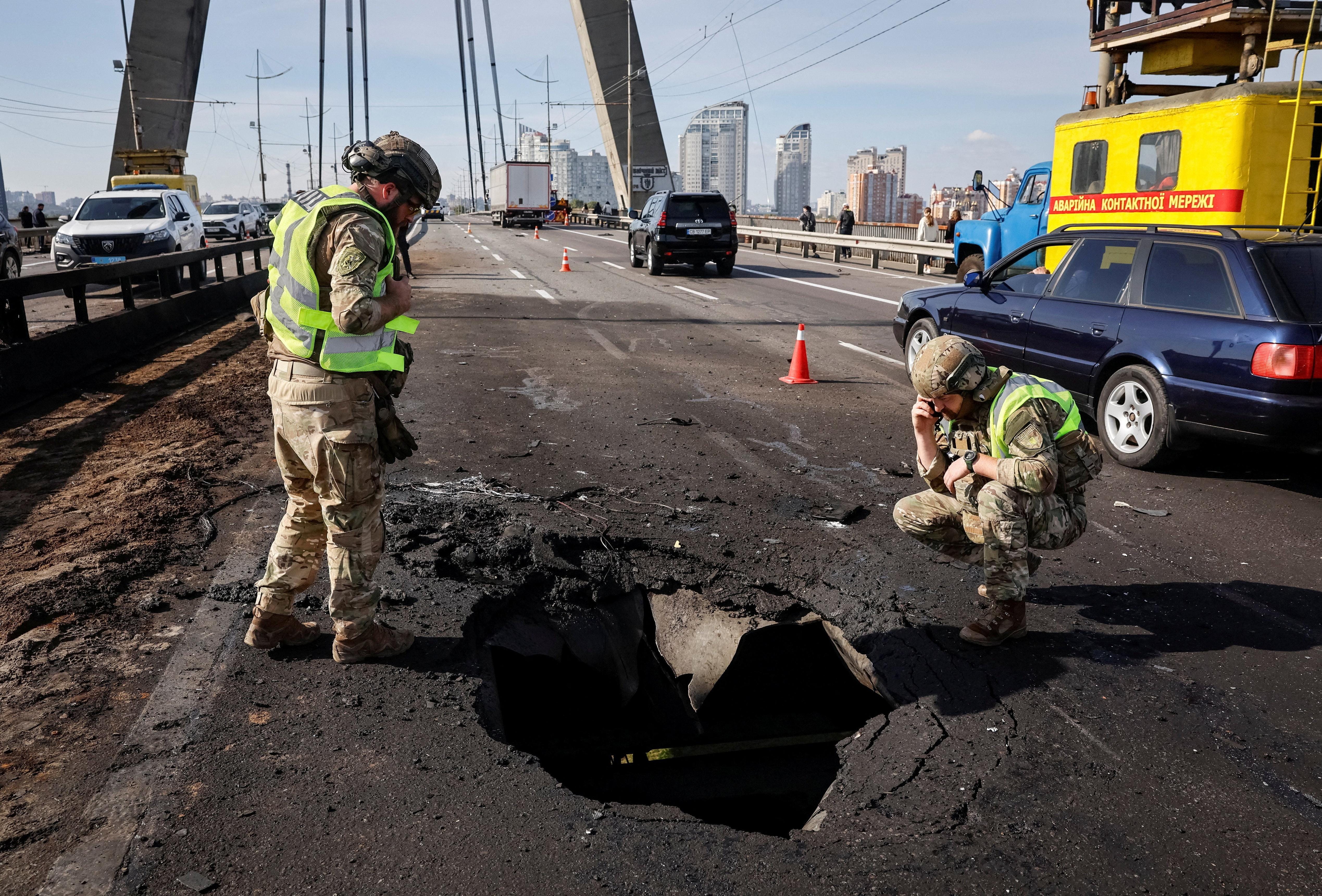
And then came Saturday.
While Washington was discussing a grand diplomatic settlement, Russian missiles and drones struck Ukrainian infrastructure around Kyiv. The attacks damaged energy facilities and a major bridge, adding to the pressure on electricity, heating, and water systems as colder weather arrived.
Russia said it had targeted military-industrial infrastructure and related facilities. Ukrainian authorities reported damage affecting civilian services. Reuters, November 7: Russia pounds power facilities around Kyiv
Now, wars don’t automatically stop when negotiations begin. Both sides have continued military operations during previous diplomatic efforts, and the fact that Russia launched these attacks doesn’t prove that Moscow has no interest in an agreement.
But it does make the timing worth examining.
Three days before the scheduled Abu Dhabi talks, Ukraine is dealing with another assault on infrastructure that millions of civilians depend upon.
President Volodymyr Zelensky has suggested Russia is attempting to strengthen its negotiating position through continued attacks.
That’s his interpretation, and it should be identified as such.
But whatever Moscow’s immediate intention, the consequences are real. Damaged infrastructure. Disrupted services. People wondering whether they’ll have heat, electricity, or running water.
Try telling those families that everybody’s going to be thrilled.
I suspect the reviews might be mixed.
TO BE FAIR, THERE HAS BEEN SOME ACTUAL PROGRESS
One development deserves more attention than it has received.
In late October, Russia and Ukraine agreed to a limited humanitarian ceasefire in Russian-occupied Oleshky, in the Kherson region. The arrangement, facilitated through Melania Trump’s involvement with both governments, allowed humanitarian assistance and the evacuation of nearly 800 people during a six-day pause in fighting.
That matters.
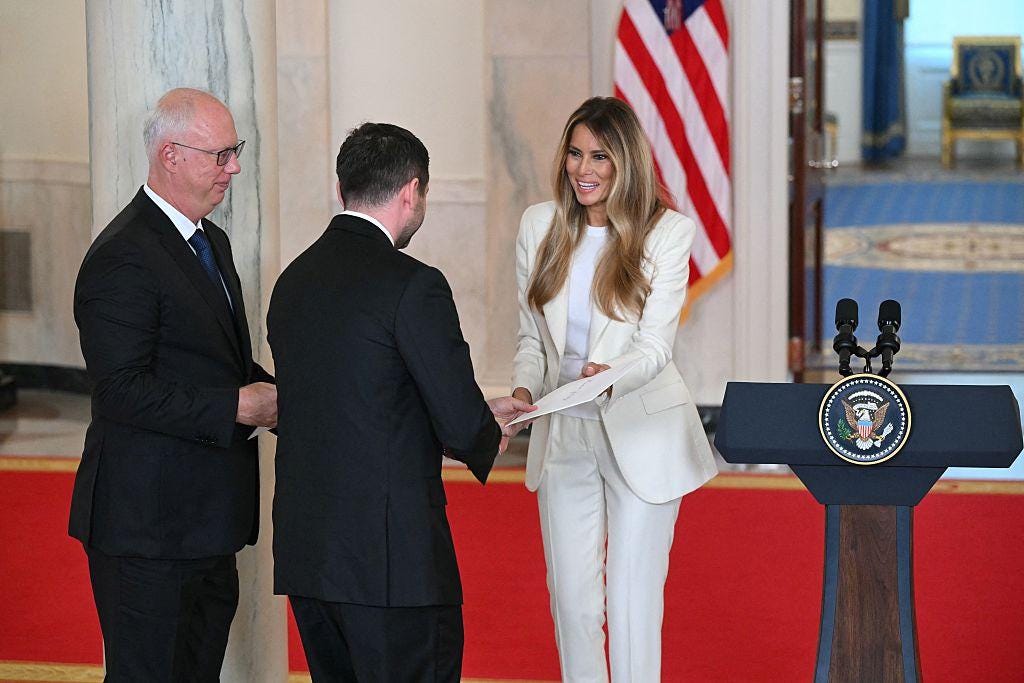
I’ve got no interest in dismissing a successful humanitarian effort because of who helped arrange it. If Melania Trump contributed to getting civilians out of a dangerous situation, she deserves acknowledgment for that work.
Nearly 800 people got an opportunity to leave. That’s not a campaign slogan or a diplomatic talking point. That’s hundreds of human beings whose immediate circumstances changed.
It also demonstrates something important: limited, practical agreements can sometimes succeed even when the larger political dispute remains unresolved.
But a six-day humanitarian pause and a lasting settlement across Ukraine are enormously different undertakings.
One demonstrates that cooperation is possible.
The other requires resolving questions that have resisted years of negotiations, sanctions, battlefield losses, and international pressure.
We shouldn’t confuse the two.
THE PEOPLE WHO ACTUALLY HAVE TO LIVE WITH THIS
German Chancellor Friedrich Merz has made it clear that Europe and Ukraine must be involved in any lasting peace agreement. European officials have also expressed concern about the possibility of a security arrangement negotiated primarily between Washington and Moscow.
Those concerns are understandable.
Europe would bear many of the consequences of a failed settlement. European countries would likely be involved in reconstruction, military assistance, sanctions decisions, and potentially any international mechanism intended to guarantee Ukraine’s security.
And European NATO members would have to live with changes to the alliance’s military posture. Reuters: Merz calls for serious Russian engagement and European participation
Yet the November 10–11 talks in Abu Dhabi are scheduled as a trilateral meeting involving the United States, Ukraine, and Russia. European governments are being consulted separately, with the possibility of broader participation later.
Consultation is important. But it isn’t the same thing as having a direct role in negotiating commitments that affect your own security.
Imagine somebody arranging a deal that could alter your mortgage, your insurance, and your property boundaries, then assuring you that your interests were discussed thoroughly while you were out of the room.
You might reasonably ask why the hell you weren’t invited to the meeting.
And you’d have a point.
[SHARE BUTTON — If this investigation raises questions worth discussing, share it.]
WHAT WOULD A REAL PEACE AGREEMENT HAVE TO ANSWER?
This is where I think we should focus our attention as the negotiations proceed.
Not on the adjectives. Not on the photo opportunities. And certainly not on whether Trump can fit another superlative into a sentence without stopping to inhale.
The actual agreement.
I’d want to see credible answers to several questions before declaring the war effectively over.
Territory: What happens to occupied Ukrainian land, and does any arrangement require Ukraine to recognize Russian sovereignty over it?
Security guarantees: Who is responsible for protecting Ukraine if Russia attacks again, and what obligations would those guarantors accept?
NATO: Would the agreement restrict alliance membership, deployments, or military cooperation involving sovereign European countries?
Sanctions and money: What economic concessions would Russia receive, and would relief depend on verified compliance?
Enforcement: Who monitors violations, who determines whether an agreement has been broken, and what happens next?
Those aren’t unreasonable demands from people who want peace. They’re the minimum questions that distinguish a serious settlement from an impressive announcement.
And I would apply them regardless of who was negotiating.
If Joe Biden, Barack Obama, George W. Bush, or anybody else announced an agreement involving Ukraine and the future of European security, I’d want the same answers.
The stakes are too high to substitute political loyalty for scrutiny.
THE BIGGEST QUESTION OF ALL
There’s a possibility that Trump’s negotiators could achieve something genuinely important.
Maybe the Abu Dhabi talks produce a meaningful ceasefire. Maybe the parties make progress on security guarantees. Maybe the broader framework ultimately provides stronger safeguards for Ukraine and its European neighbors.
If that happens, it deserves recognition.
There is also the possibility that negotiations stall, that Moscow refuses meaningful concessions, or that a proposed settlement creates new vulnerabilities while resolving only the immediate fighting.
We don’t know yet.
What we do know is that Russia invaded Ukraine, that the war has devastated communities on both sides, and that an agreement capable of lasting will require far more than a presidential announcement.
It will require enforceable commitments, credible protections, and the participation of governments whose security is directly at stake.
Trump says he wants a big, beautiful agreement.
Fine.
I’d settle for one that actually works.
Because the people living under Russian missiles don’t need another politician telling them how magnificent everything is going to be.
They need the missiles to stop.
And they need some reason to believe they won’t start again six months after the cameras leave.
ONE LAST QUESTION
If a peace agreement stops the fighting in Ukraine but requires territorial concessions or changes to Europe’s security arrangements, what would it need to guarantee before you could consider it a lasting peace?
I’d genuinely like to hear your answer.
ELSEWHERE AT TOM HICKS MEDIA
At Off Script, we follow the political stories that deserve more than another round of talking points, with a healthy disregard for anyone who expects applause simply for showing up.
What the Hell? explores the stranger corners of history, where actual events occasionally make political satire look restrained. Today, it’s nuclear bombs with chickens.
And at Panic Room Sports, we cover the games, the decisions, and the spectacular moments when highly paid professionals make you wonder whether anybody remembered to read the instructions.
You can find everything under one roof at Tom Hicks Media — The Complete Collection.
#BlindSpot #Ukraine #Russia #Trump #NATO #EuropeanSecurity #PeaceNegotiations #TomHicksMedia