
Tom Hicks | October 31, 2026
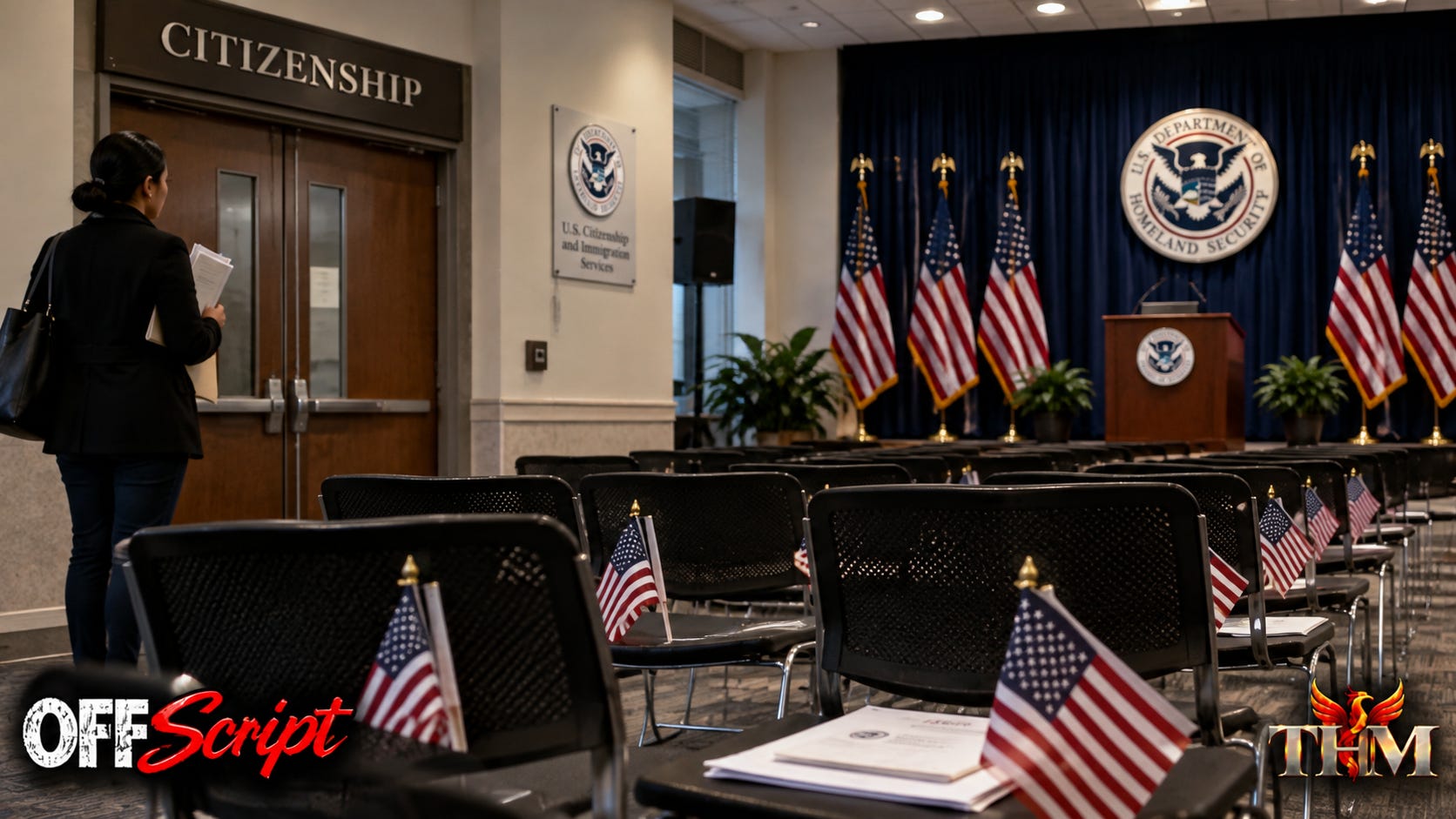
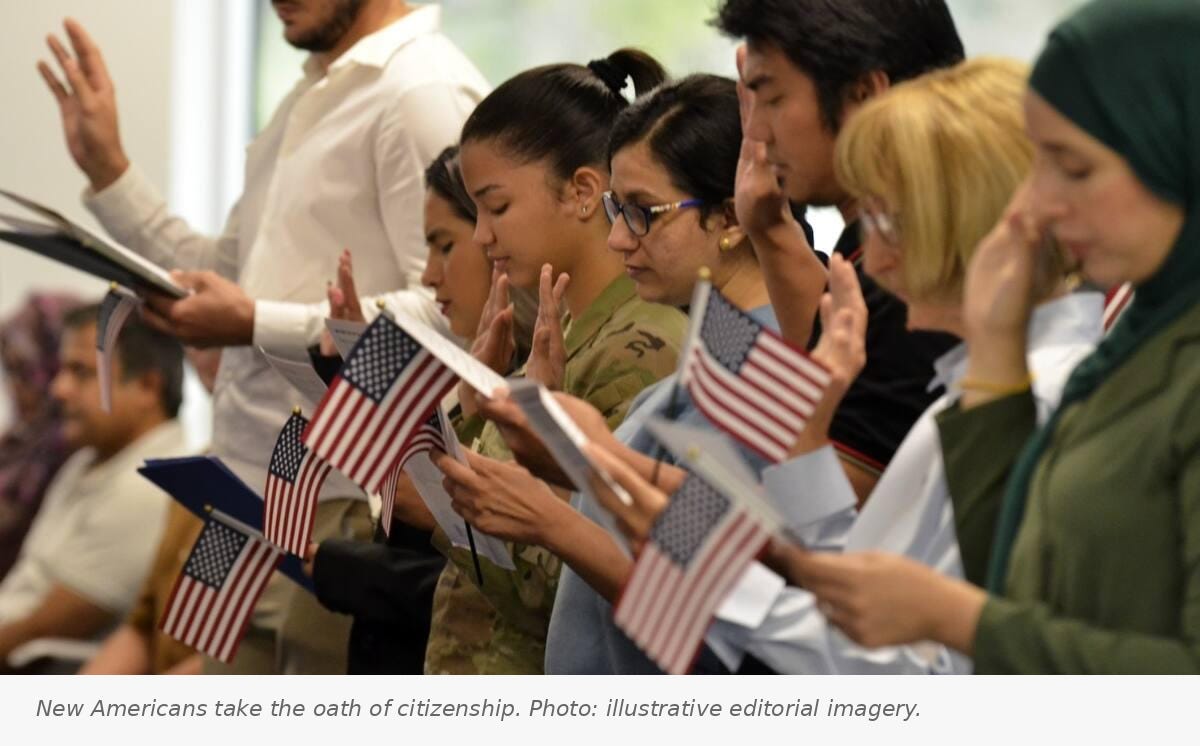
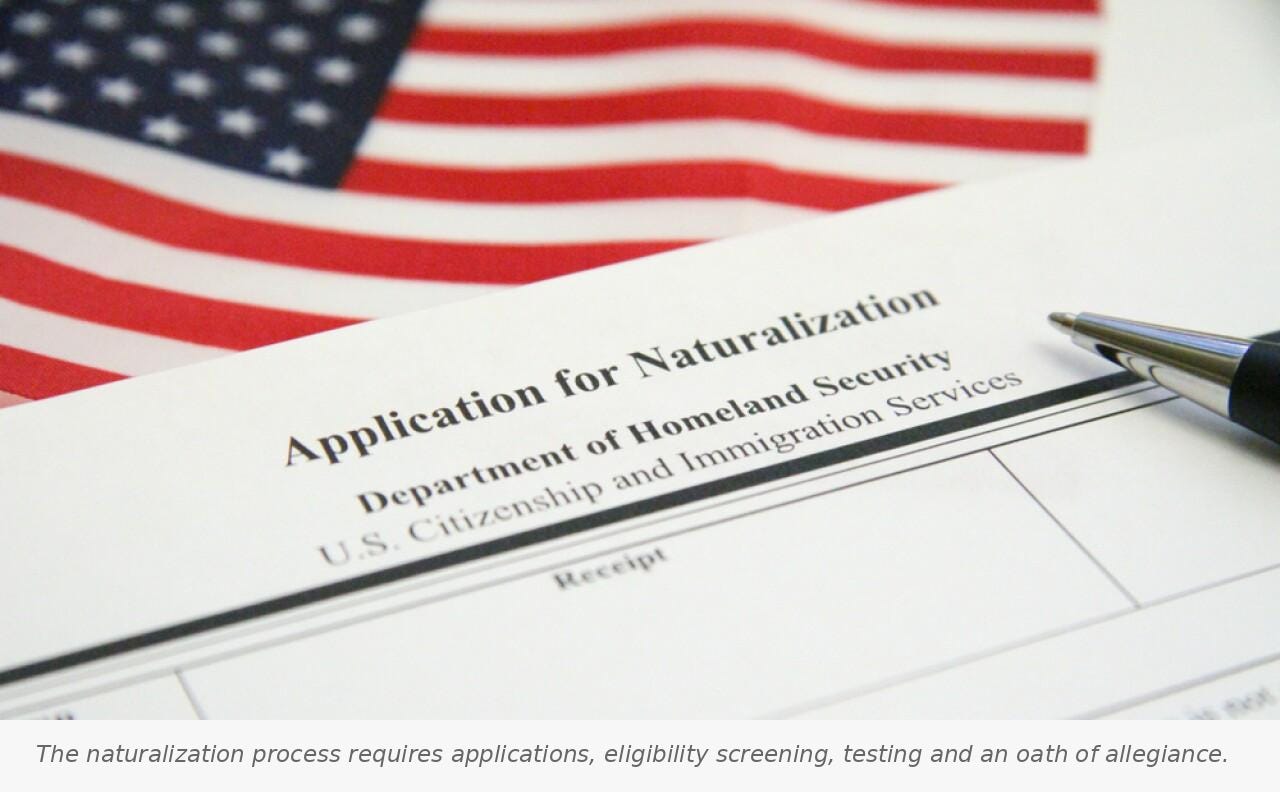
I’ve always thought there was something genuinely moving about a naturalization ceremony. People from different countries, cultures, and backgrounds, standing together and taking an oath to become Americans. Some have spent years getting there. They’ve filled out paperwork, passed background checks, studied American history, and learned enough about our government to answer questions that would probably stump half the people already voting in our elections.
And when it’s over, they’re Americans.
At least, that’s how it’s supposed to work.
Because apparently, somewhere along the way, somebody decided the road to citizenship needed a few more traffic lights. And wouldn’t you know it? They’ve all turned red just before an election.
The Numbers Are Hard to Ignore
According to an investigation published Thursday by Stateline, the United States approved approximately 55,000 citizenship applications between April and June 2026.
During the same three months in 2025, it approved more than 230,000.
That’s a decline of roughly 76 percent.
Not a little administrative hiccup. Not the sort of fluctuation you explain away because somebody in the office took a long lunch. We’re talking about a dramatic reduction in the number of people becoming American citizens.
And there’s another number worth remembering: approximately 380,000.
That’s how many additional immigrants Stateline estimates might have become citizens over the past year if naturalization approvals had continued at their earlier pace. It’s an estimate, not a verified count of people denied citizenship or prevented from voting. But it raises a serious question about the consequences of government processing decisions.
Citizenship approvals fell 76%
U.S. naturalization approvals, April–June, year-over-year
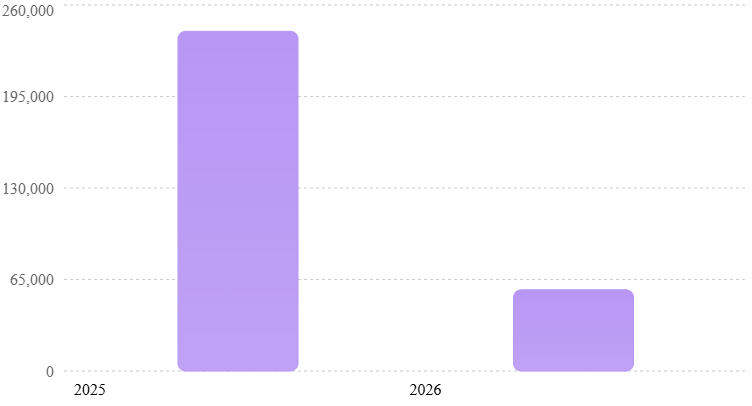
Source: USCIS FY2025 and FY2026 third-quarter N-400 field-office data, including regular and military naturalizations. 241,326 versus 57,697 approvals, a 76.1% decrease.
That’s the graph I want people to stop and look at.
Because sometimes a picture really does explain something better than a thousand words. And those two bars tell a story that deserves an explanation.
Enjoying the conversation? Subscribe to Off Script. It’s free, and nobody’s going to make you pass a civics test first.
Apparently, Becoming American Needed to Get Harder
The Trump administration says the slowdown is a consequence of strengthened citizenship screening.
USCIS has introduced a more demanding civics test, increased scrutiny of English proficiency and moral character, and expanded social media screening for activities the government considers anti-American.
USCIS spokesperson Zach Kahler defended the changes to Stateline, saying citizenship is a privilege rather than a right and that the agency will not sacrifice proper vetting for speed.
Fair enough. Citizenship is important. Nobody should expect the government to hand it out like supermarket coupons.
But here’s where I start having questions.
Were the previous screening procedures failing? How many ineligible applicants were getting approved? What evidence demonstrates that the additional scrutiny is catching problems the old system missed? And why has the number of people actually making it through the process fallen so dramatically?
Those aren’t unreasonable questions. They’re the questions a government should expect when it changes the rules of a process affecting hundreds of thousands of people.
Especially when those people have followed the legal procedures we keep telling immigrants they’re supposed to follow.
UCLA Found Something Even More Troubling
Researchers at UCLA’s Center for Neighborhood Knowledge independently examined naturalization trends and found that monthly approvals fell from approximately 88,000 in April 2025 to fewer than 16,000 in August 2026.
That’s an 83 percent decline.
The researchers also found that average processing times had doubled between early 2024 and late summer 2026. California experienced especially large declines, while Florida, New York, and Texas also recorded substantial reductions.
UCLA Luskin+1
Think about what that means for someone who has already spent years building a life here.
Maybe they’ve worked, raised children, paid taxes and contributed to their community. They’ve studied for the citizenship exam and waited for their turn. And now the finish line keeps getting farther away.
They haven’t necessarily done anything wrong.
They’re just waiting for the government to decide when they can become Americans.
And here’s the part that bothers me most: while they’re waiting, the election calendar keeps moving.
The Calendar Doesn’t Wait for Citizenship
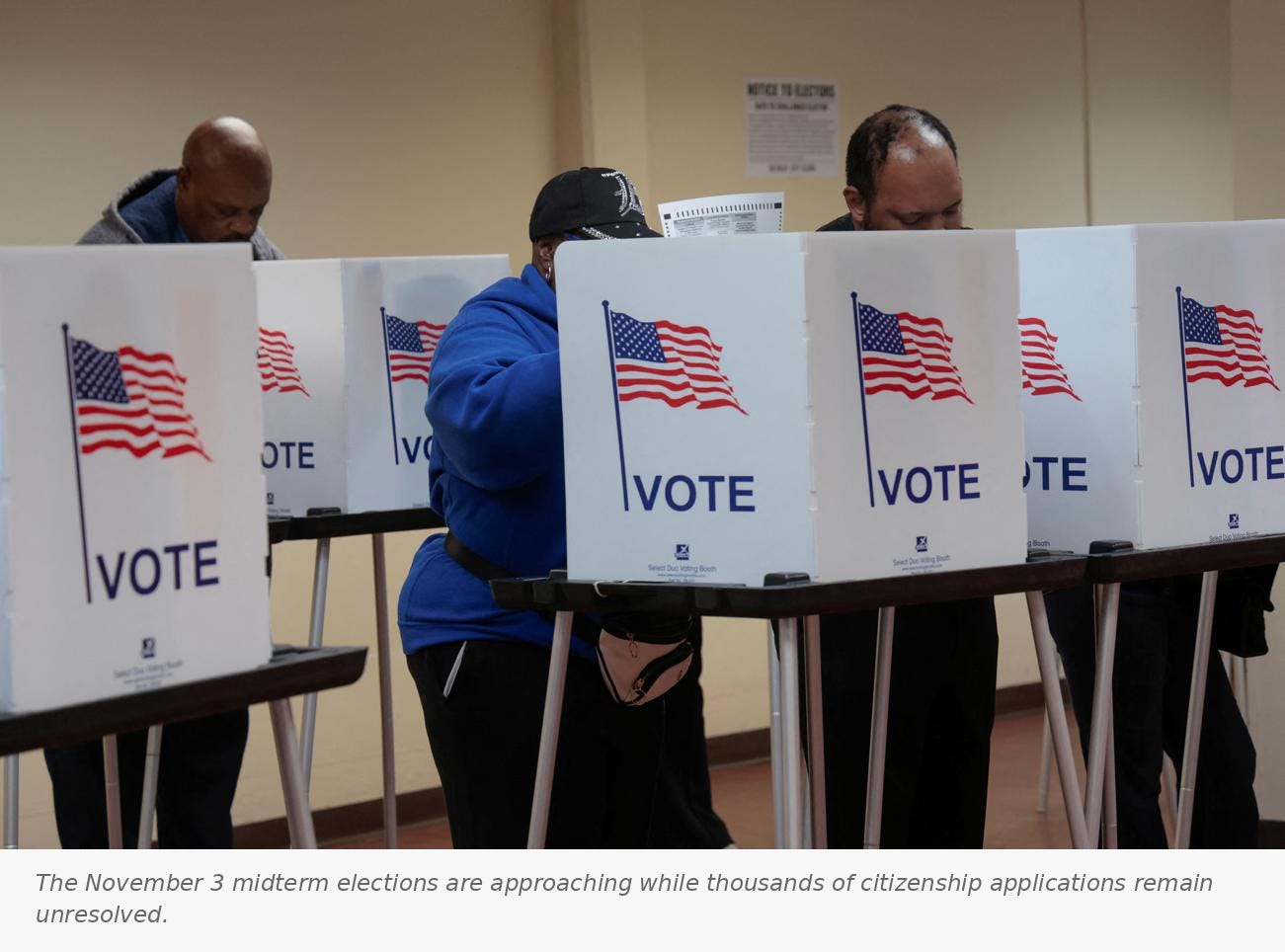
The midterm elections are Tuesday, November 3.
Someone who completes naturalization after Election Day can’t go back and cast a ballot retroactively. The opportunity is gone, regardless of which candidate that person might have supported.
That doesn’t prove the government deliberately slowed citizenship approvals to affect the election. Intent requires evidence, and the available statistics alone don’t establish it.
But it does establish something important: government decisions about processing citizenship applications can affect who becomes eligible to participate in an election.
And that deserves scrutiny.
It also raises a question I haven’t seen answered satisfactorily.
What independent oversight exists to make sure the agency responsible for approving citizenship isn’t using administrative delays to influence the electorate?
I don’t care which political party benefits from the delay. That’s the wrong standard.
The standard should be whether people who satisfy the legal requirements are receiving timely, consistent decisions based on those requirements.
Because citizenship shouldn’t depend on whether an election is approaching.
There’s a Human Being Behind Every Application
One detail from an August report by Capitol News Illinois has stayed with me.
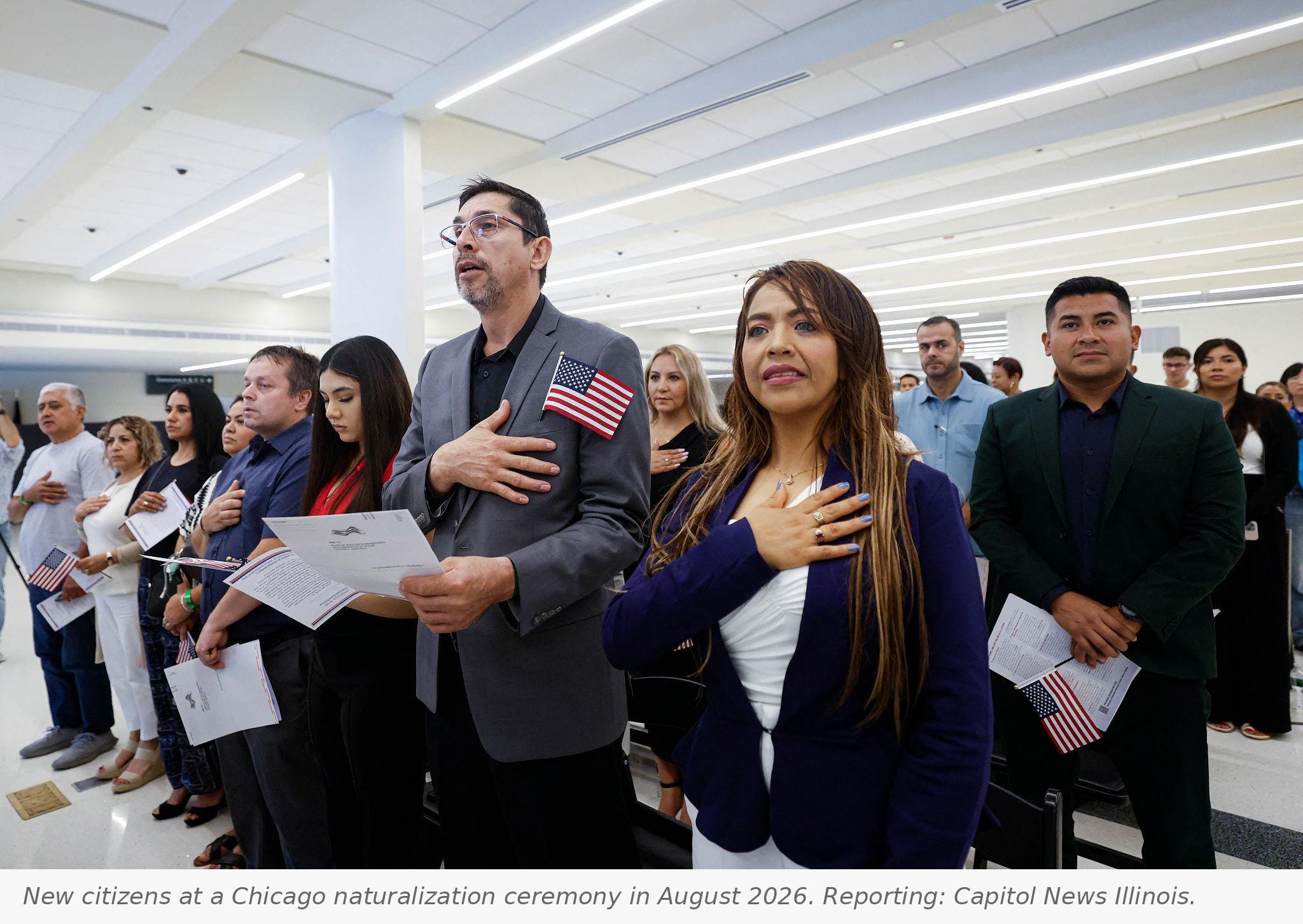
At a Chicago naturalization ceremony, 97 people from 34 countries became American citizens. Among them was Maria de Los Angeles Marrufo, who had arrived from Mexico three decades earlier and wanted, finally, to have a voice in elections.
Another new citizen, Josue Carranza, had come from Honduras 12 years earlier. He worked as a FedEx driver and hoped to start a construction business.
These weren’t abstract immigration statistics. They were people with jobs, families, ambitions, and lives already rooted in this country.
Now imagine having done everything required, only to find yourself waiting while the rules change and the calendar runs out.
Maybe the delay is justified. Maybe some of the new requirements are necessary. Maybe the agency can eventually produce convincing evidence that the changes have improved the integrity of the process.
Then let’s see that evidence.
Because a functioning democracy ought to be capable of protecting the citizenship process without leaving eligible applicants in administrative limbo indefinitely.
The Bullshit Detector
The Official Stink Scale
💩 A Little Whiff · 💩💩 Something Smells · 💩💩💩 Steaming Pile · 💩💩💩💩 Full-Blown Bullshit · 💩💩💩💩💩 Weapons-Grade Bullshit
1. Trump Apparently Won an Election That Hasn’t Happened Yet
Claim: A viral Truth Social post showed Donald Trump declaring victory in the 2026 midterms before Election Day.
Bullshit: The supposed post was fabricated.
💩💩💩💩 Full-Blown Bullshit
Why: Fact-checkers found no evidence that Trump published the statement. Apparently, somebody decided waiting for actual election results was an unreasonable burden and manufactured some instead.
Considering how much genuine political nonsense is available these days, inventing additional material seems like an unnecessary use of everybody’s time.
2. California’s Ballot Envelopes Are Secretly Exposing Your Vote
Claim: Holes in California mail-ballot envelopes allow election workers to identify voters’ choices and manipulate election results.
Bullshit: The holes have legitimate administrative and accessibility purposes.
💩💩💩 Steaming Pile
Why: Election officials explained that the holes help visually impaired voters identify the envelope and allow election workers to verify that envelopes are empty. They’re not positioned to expose marked candidate selections.
We’ve apparently reached the point where even an envelope can’t mind its own damn business without becoming part of an international conspiracy.
3. A Military Cargo Plane Made an Emergency Landing Straight Out of Hollywood
Claim: A viral video showed an actual C-17 Globemaster military transport aircraft making a dramatic emergency landing.
Bullshit: The footage wasn’t authentic.
💩💩💩 Steaming Pile
Why: Lead Stories investigated the circulating video and determined that it didn’t document a real C-17 emergency landing.
Which is disappointing, I suppose, if you’re the sort of person who gets their aviation news from videos that look like rejected scenes from a disaster movie.
The next time somebody shares spectacular footage of an airplane doing something that seems physically impossible, perhaps we could establish whether it actually happened before collectively losing our minds.
One Question
If the government can change the pace at which people become citizens, and those decisions can affect who is eligible to vote, shouldn’t Congress require detailed public reporting on processing delays, their causes and their effects?
I’d like to hear what you think.
Leave a comment. Whether you support tougher citizenship screening or think the government has gone too far, there’s a serious discussion to be had about where proper vetting ends and unnecessary delay begins.
Around Tom Hicks Media
Just Lucy arrives Monday, November 2. She’s four and a half, has opinions about practically everything, and hasn’t yet discovered the usefulness of keeping them to herself. Visit Just Lucy for an introduction.
Is It Just Me? has a new Saturday column from Frank N. Krancke, who has apparently discovered that CVS is personally offended by his shopping habits.
And Sunday brings Blind Spot, our deeper look at the election, along with the Chart Collision Sunday Special, Lotus Purrspective Species Review, and What the Hell?
Find all our publications at Tom Hicks Media — The Complete Collection.
Want to continue the conversation? Join us on the Tom Hicks Media Discord server.
Sources and Further Reading
The central reporting comes from Stateline’s October 29 investigation and UCLA’s naturalization analysis. Both are worth reading, especially for the differences in their methods and estimates.
#OffScript #Immigration #Naturalization #Citizenship #VotingRights #Midterms2026 #USPolitics #Democracy #THM