

Did you ever have one of those moments where something sounds perfectly reasonable at first, then about thirty seconds later, your brain quietly taps you on the shoulder and says, “Hey… hold on a second. What the fuck did they just say?”
That’s the feeling this story leaves you with.
Because on the surface, recent reporting from WIRED sounds responsible enough. Federal law enforcement and intelligence agencies are reportedly paying closer attention to threats against AI infrastructure and growing hostility toward technology under the language being discussed as “anti-tech extremism.” And before somebody sprints into the comments section like they just got shot out of a cannon, let’s establish the obvious: if somebody starts threatening workers, sabotaging facilities, or trying to blow shit up because a chatbot bruised their ego, yes, the government should care. Nobody serious is arguing otherwise.
But sit with this story for another minute, pour yourself something decent, and a more uncomfortable question starts crawling across the table. When does concern about violence quietly turn into suspicion toward dissent? Because history says government has a habit of starting with something understandable and then stretching the hell out of it until ordinary people are left blinking and wondering how we ended up here.
Government loves a category. Holy shit, does government love a category. More importantly, government loves categories that sound boring enough nobody notices when they start quietly expanding. “Security concerns.” “Temporary emergency authority.” “Enhanced screening.” Everything sounds perfectly sensible right up until you wake up one day and realize you’ve spent twenty years taking your shoes off at airports because somebody somewhere decided toothpaste might secretly be a criminal mastermind.
That’s the thing about bureaucracy. It almost never says, “Good news, folks, we solved the problem.” It says, “Interesting… what else fits inside this box?” And because the language sounds dull enough to induce a nap, people stop paying attention until some wildly expanded version of the original idea shows up in everyday life, asking why the fuck everyone suddenly seems nervous.
If you’re not subscribed yet, you’re reading this the hard way. I do this daily. No sponsors. No filter.
Subscribe if you want it in your feed instead of chasing it down.
Now here’s the part of this story that makes it bigger than partisan sludge and a hell of a lot more personal.
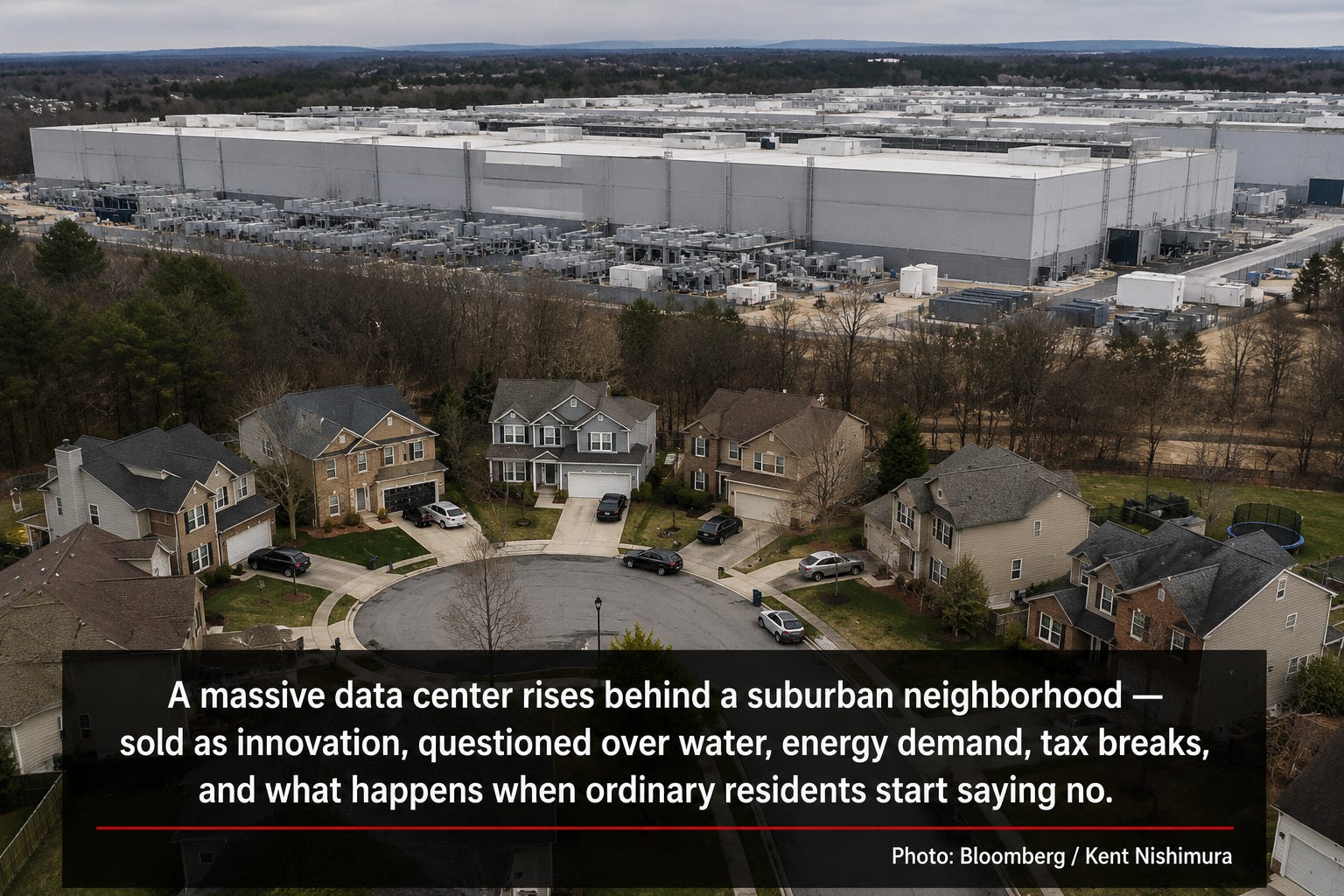
People protesting AI data centers are not some fringe anti-computer cult sitting in candlelit basements whispering about robot doom. They’re homeowners wondering what happens to property values. Parents are asking what happens when already-strained infrastructure is pushed harder. Farmers, environmental groups, local officials, fiscal conservatives, and ordinary exhausted people who woke up one morning to discover a giant industrial facility is moving into town while politicians keep repeating the word “innovation” like it’s holy scripture.
Because these places are huge. Not metaphorically huge. Physically huge. They burn absurd amounts of electricity, consume massive quantities of water for cooling systems, and can dramatically alter local infrastructure in ways residents often don’t fully understand until construction starts and somebody finally says, “Wait, what exactly did we agree to here?”
That water issue matters because residents aren’t just worried about supply. In some communities, concerns have surfaced around water quality, wastewater systems, discharge practices, chemically treated cooling systems, or whether infrastructure gets stressed badly enough that contamination risks increase. To keep this honest, nobody’s saying every AI facility turns into a comic-book villain poisoning the town reservoir. But if a giant industrial operation shows up demanding millions of gallons of water while potentially straining systems that already feel fragile, people have every damn right to ask questions.
The questions start sounding pretty reasonable, too. Why are billion-dollar companies getting tax breaks? What happens to electricity costs, water systems, noise levels, property values, or the basic character of a town? And why do tech billionaires keep casually talking about replacing jobs while asking everyone to trust them with the future?
That coalition of concern matters because it cuts across ideology in a way politicians hate. Conservatives don’t love sweetheart deals or subsidies. Environmental groups hate unnecessary strain on land and water. Families hate disruption. Homeowners hate feeling steamrolled. Local officials hate discovering billion-dollar decisions somehow got made around them instead of with them.
Which means what happens next looks suspiciously like democracy, messy and loud and deeply annoying to anybody hoping people quietly sit down and shut up.
It looks like exhausted residents showing up after work to zoning meetings in fluorescent-lit rooms, drinking terrible coffee, getting increasingly pissed off while somebody at the front says, “We appreciate your concerns,” with the emotional warmth of a Comcast customer-service script. It looks like petitions, neighborhood organizing, awkward public comments, frustrated questions, and arguments over whether anybody in power bothered listening before signing off on a project half the town barely understood.
That isn’t dysfunction.
That’s citizenship.
And this is where the bourbon starts tasting funny.
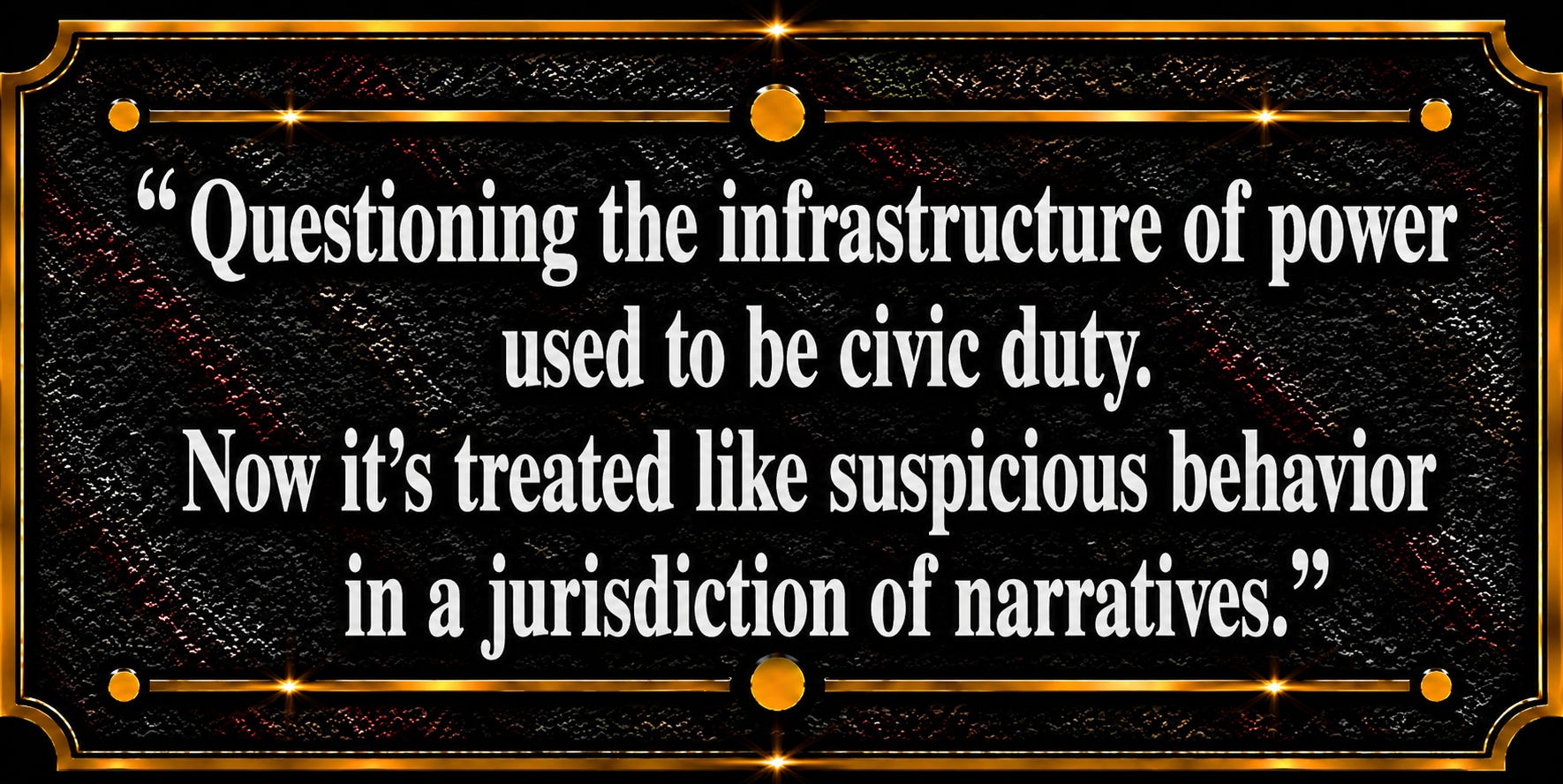
According to WIRED’s reporting, intelligence and law-enforcement materials increasingly frame hostility toward AI and technology through language tied to “anti-tech extremism.” Again, governments absolutely have legitimate reasons to care about violence or sabotage. Nobody wants facilities attacked or workers threatened.
But here’s the problem institutions keep tripping over: they are historically terrible at separating danger from inconvenience, especially when the inconvenience is aimed at something powerful people desperately want protected.
Labor organizers became radicals.
Civil-rights activists got surveilled.
Environmental protesters turned into “security concerns.”
Pipeline opponents got treated like they were auditioning for a Bond villain franchise instead of screaming about land and water.
Funny how often the same pattern shows up once money and power decide something matters.
Once money and power decide something matters, criticism starts sounding suspiciously impolite. AI isn’t being sold as just another industry. It’s being sold as destiny, national competitiveness, economic survival, America’s future. And once something gets wrapped in language like the future, disagreement suddenly sounds rude.
Question military spending, and somebody says you’re weak.
Question Wall Street, and apparently, you hate capitalism.
Question giant, water-hungry AI facilities showing up in your backyard and, well, fuck, now people start floating language that makes ordinary concern sound suspicious.
You’ve seen this dynamic before because it isn’t really political. It’s human.
The employee raising concerns suddenly becomes “negative.” The person asking uncomfortable questions somehow turns into “difficult.” Families do it. Workplaces do it. Friend groups do it. Somebody refuses to smile through obvious bullshit, and suddenly they become the problem, not because they’re wrong but because they’re inconvenient.
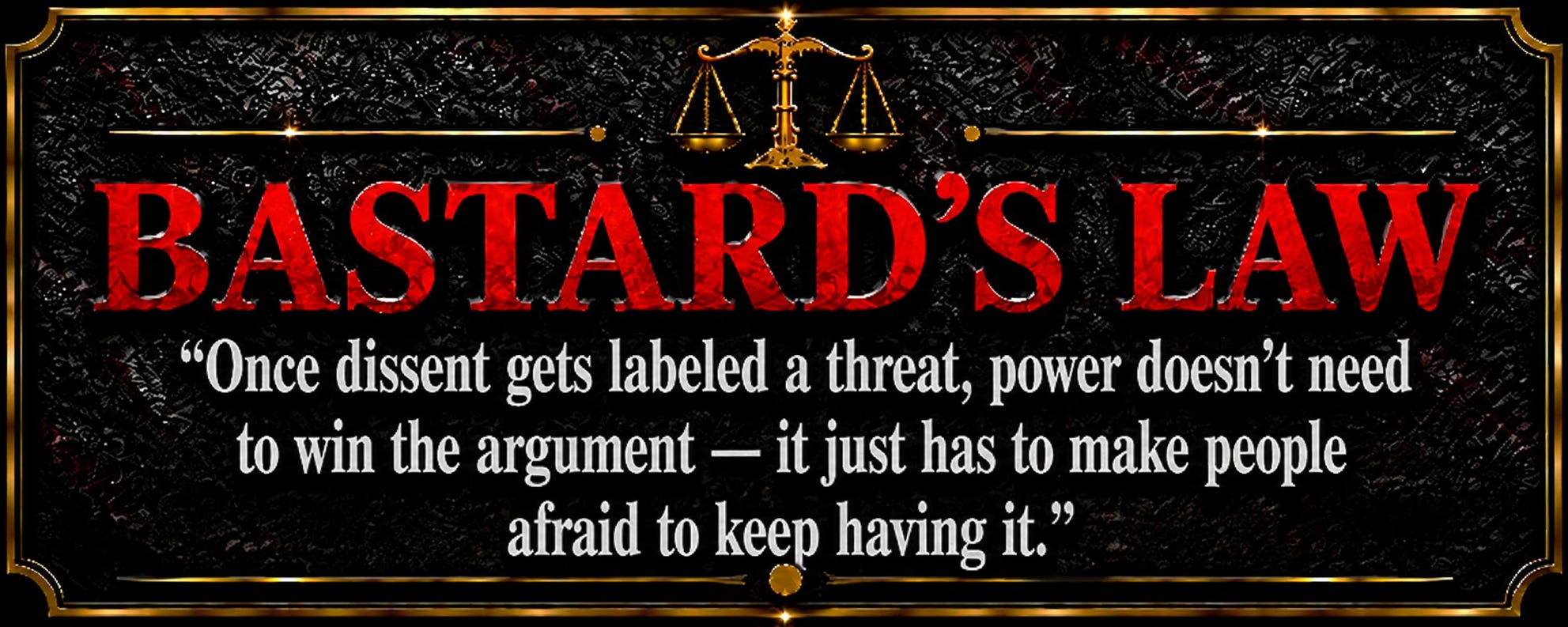
Power rarely defeats criticism by arguing with it.
Power defeats criticism by redefining the critic.
And before anybody accuses me of wandering into paranoia, let’s keep the facts where they belong. WIRED is not reporting that every angry resident suddenly gets a surveillance corkboard covered in red string and screenshots of Facebook rants.
That’s not the story.
The story is subtler than that, which honestly makes it creepier.
And this is the part people always underestimate until it’s already happened. Nobody wakes up one morning and says, “You know what sounds great? Treating local dissent like a security issue.” It creeps. A category exists. Then it grows. Categories become priorities, priorities become budgets, budgets become task forces, and task forces become habits until one day ordinary people start realizing they’ve been quietly reclassified without anybody ever announcing the fucking change.
Imagine your town announces one of these facilities tomorrow. Maybe you’re worried about water, noise, power demand, taxes, or whether your neighborhood suddenly turns into an industrial humming machine nobody voted for. Maybe you just think billion-dollar corporations shouldn’t get sweetheart deals while everyone else gets told to tighten their belts and smile.
So you show up.
You miss dinner to attend zoning meetings. You sign petitions. You organize neighbors. You ask uncomfortable questions because somebody has to.
That isn’t extremism.
That’s citizenship.
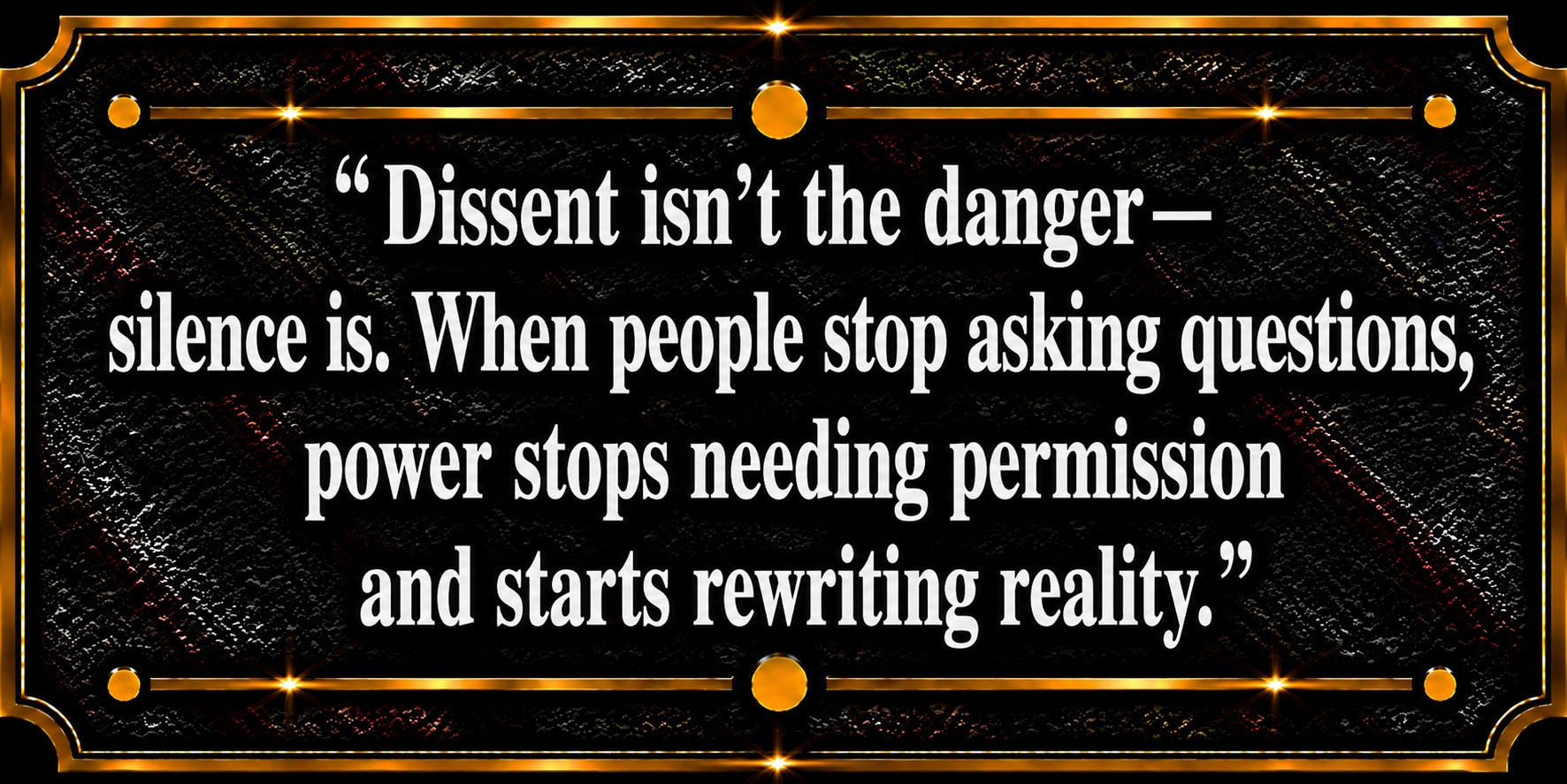
And underneath all of this sits the real question:
What happens when institutions start treating opposition to powerful interests as behavior adjacent to danger?
Because once saying “no” starts feeling risky, power barely has to force compliance anymore. It just waits for exhaustion to do the work, which is a hell of a lot cheaper than arguing with citizens too fucking tired to keep fighting.
Upgrade
I’m retired. This is reader-funded. No sponsors. No corporate leash. No one telling me to tone it down.
Paid subscribers get bonus rants, full archive access, priority Q&A, and deeper dives that don’t make it into the free feed.
Upgrade and support independent work that doesn’t play nice.
If you want the same reality with a quieter voice and sharper claws, go check out Lotus Purrspective.
That’s where the judgment is calmer, cleaner, and somehow even more brutal.
Buy Me A Coffee
If this hit, consider supporting the work because yelling “what the fuck are we doing?” at the news doesn’t pay for itself.
#AIInfrastructure #Surveillance #CivilLiberties #AntiTechExtremism #DataCenters #TheUnredactedBastard #Dissent #Democracy #PowerAndPolitics #WaterRights